
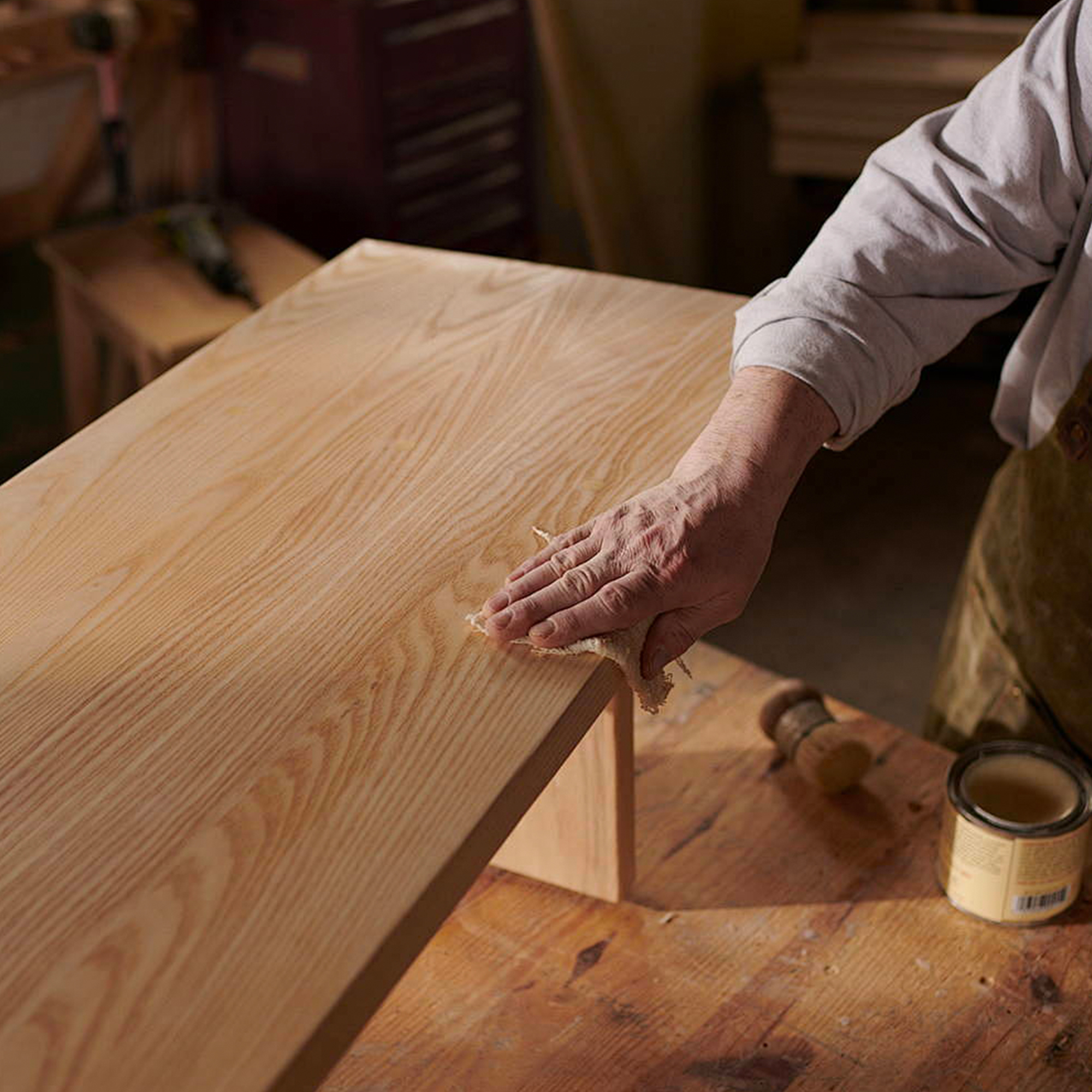
Rubberwood furniture provides a superior choice for professional buyers seeking a balance of structural resilience, environmental responsibility, and competitive pricing. Many furniture importers struggle with the rising costs of traditional hardwoods or the low durability of cheap composite alternatives. These material inconsistencies often lead to higher return rates and a weakened brand reputation in a crowded marketplace. To solve these challenges, Rubberwood Furniture has emerged as a globally accepted solution that offers the premium feel of solid timber while maintaining the margins necessary for large-scale commercial success.
Is Rubberwood Furniture the Right Choice for Your Brand?
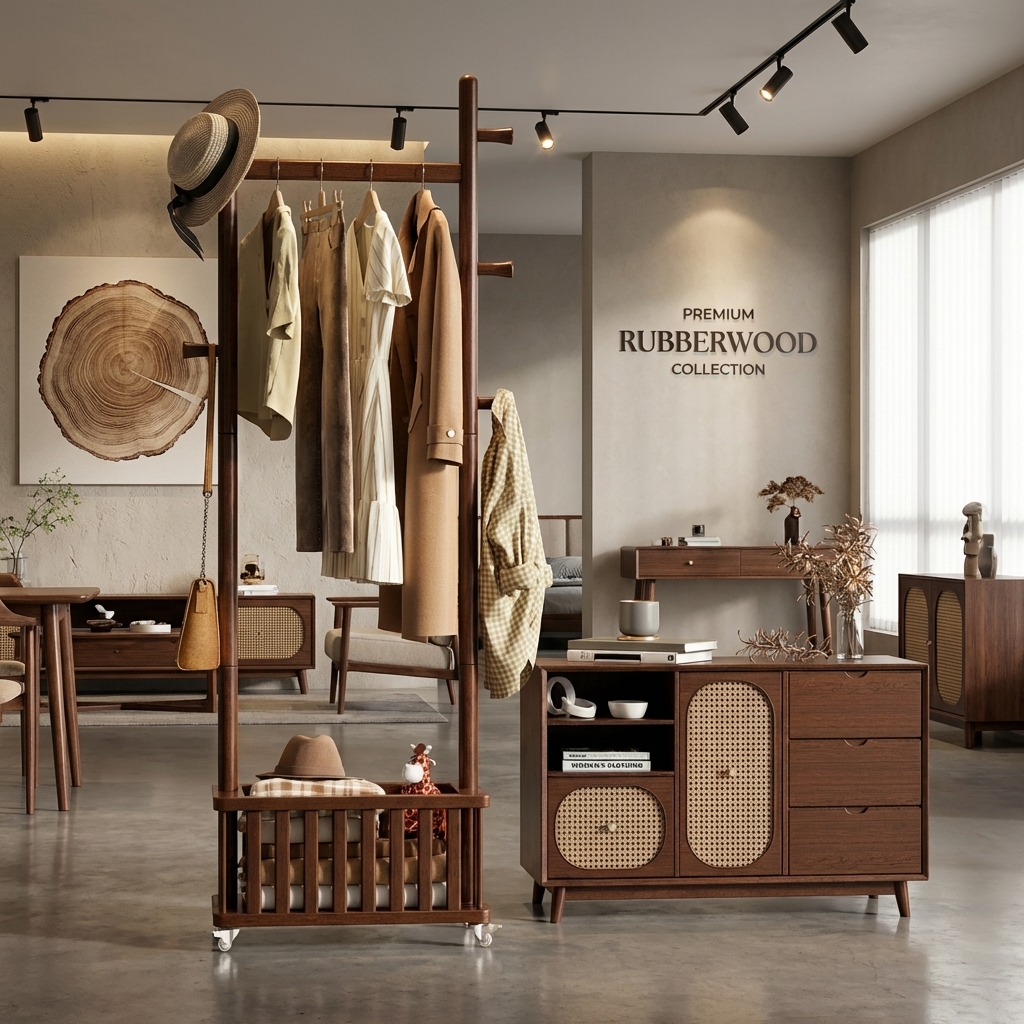
Yes, selecting Rubberwood Furniture is currently one of the most strategic moves for brands targeting modern, eco-conscious consumers. This material provides the density required for long-lasting use while remaining affordable enough for mass-market distribution.
Meeting the demands of modern retail
B2B buyers face constant pressure to provide high-quality items at accessible price points. Rubberwood fills this gap by offering a solid timber experience without the premium surcharge of oak or walnut.
Scaling your product inventory effectively
Building a catalog around this wood ensures a stable supply chain and consistent material quality. Here is the kicker: you can achieve high-end aesthetics while keeping your manufacturing overhead low.
- Consistent grain patterns
- Stable procurement costs
- High consumer acceptance
Key Takeaway: Integrating rubberwood into your inventory allows you to market solid wood quality at a price point that maximizes your market share.
| Consideration | Benefit |
|---|---|
| Material Quality | Solid hardwood density |
| Price Point | Highly competitive |
| Market Suitability | Residential and commercial |
This table illustrates why rubberwood is the preferred choice for businesses looking to balance quality with profit.
Why Is Rubberwood Furniture a Sustainable Choice?
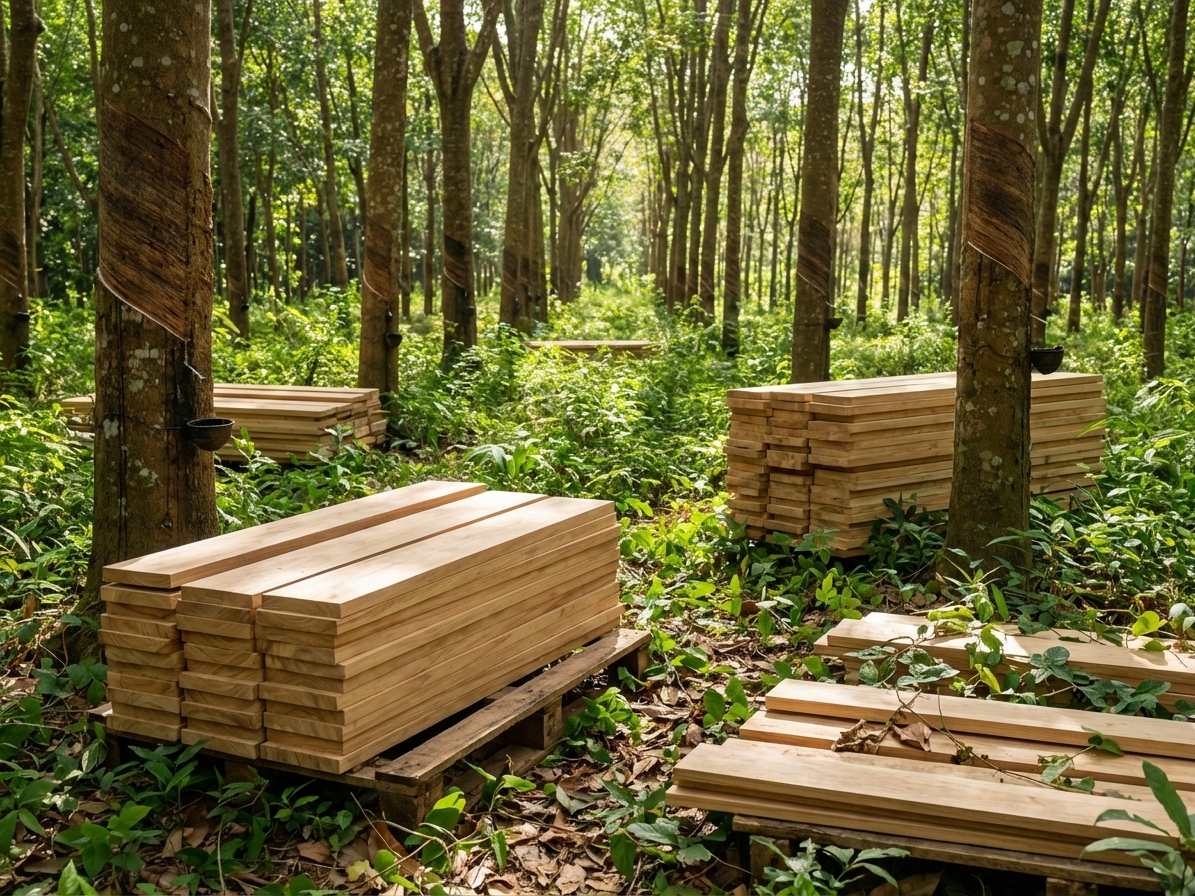
Rubberwood furniture is considered highly sustainable because it is a byproduct of the latex industry, utilizing trees that have already completed their primary economic lifecycle. Instead of harvesting virgin forests, manufacturers repurpose Hevea brasiliensis trees after they stop producing latex.
Promoting a circular economy
The timber is only harvested after 25 to 30 years of latex production. This ensures that every part of the tree’s life is maximized, reducing agricultural waste and preventing unnecessary deforestation.
Reducing the industry carbon footprint
By choosing this material, you are supporting a process that diverts waste from being burned or discarded. But wait, there’s more: this sustainable narrative is a powerful selling point for modern B2B clients.
- Zero waste production cycle
- Carbon sequestration during growth
- Eco-friendly certified sourcing
Key Takeaway: Promoting rubberwood helps your brand align with global sustainability goals without sacrificing the structural integrity of your furniture.
| Sustainability Factor | Impact |
|---|---|
| Resource Origin | Repurposed latex trees |
| Environmental Rating | Very High |
| Waste Reduction | Diverts timber from burn piles |
Choosing rubberwood directly contributes to a greener supply chain while providing a reliable material for your customers.
Can Rubberwood Furniture Handle Daily Commercial Wear?
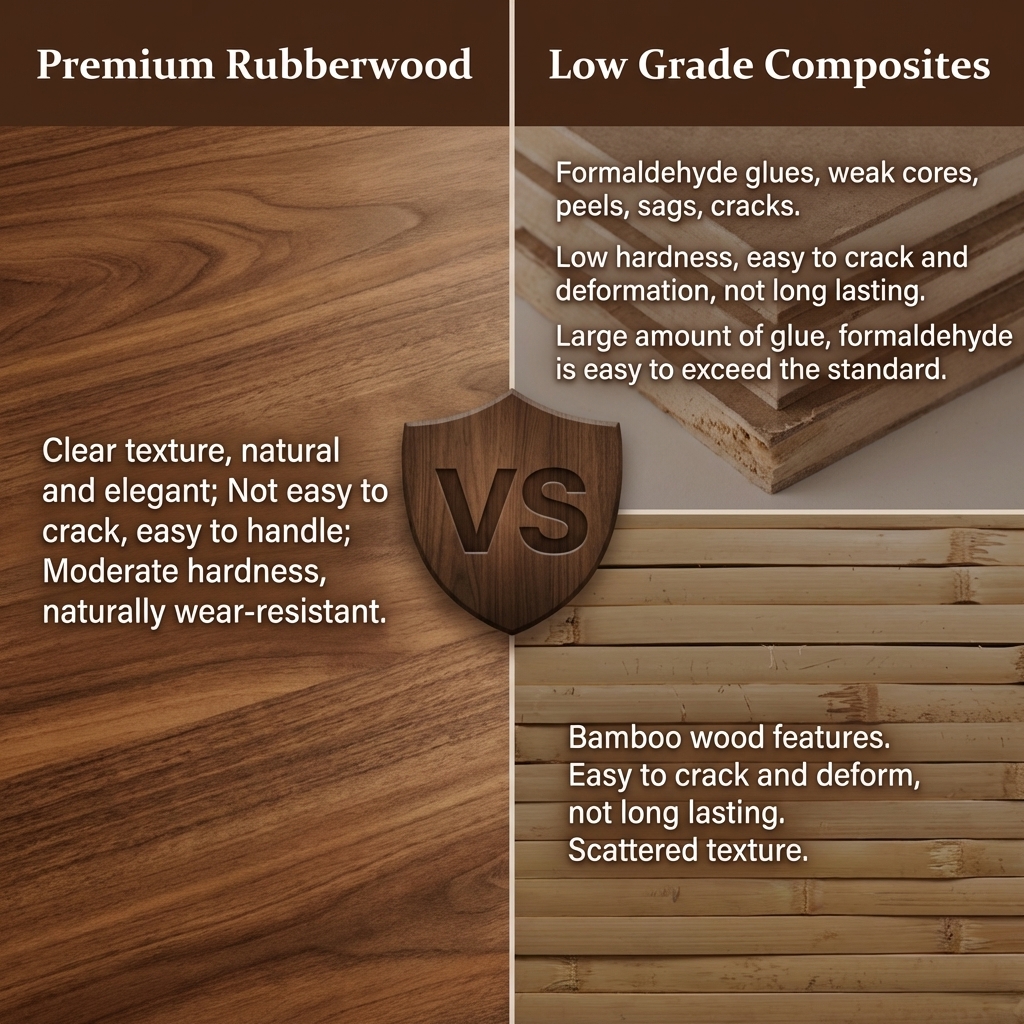
Absolutely, Rubberwood Furniture possesses a density and hardness that rivals many traditional hardwoods used in high-traffic environments. It is categorized as a “soft hardwood,” meaning it offers enough resilience to resist dents while remaining workable for intricate designs.
Comparing density to other materials
With a density of approximately 560–640 kg/m³, rubberwood is far superior to MDF or softwoods like pine. You might be wondering: how does this translate to longevity in a commercial setting?
Resistance to structural warping
Because the wood is properly seasoned and kiln-dried, it maintains its shape exceptionally well over time. This makes it an ideal foundation for heavy-duty items that require consistent structural stability.
- High impact resistance
- Minimal shrinkage over time
- Dense internal fiber structure
Key Takeaway: The structural density of rubberwood ensures that your products will withstand the rigors of daily use in both homes and hotels.
| Durability Metric | Performance |
|---|---|
| Janka Hardness | Comparable to Black Walnut |
| Impact Resistance | Excellent |
| Long-term Stability | High (with proper drying) |
This comparison highlights why rubberwood is a much safer investment than low-grade composites for long-term durability.
Does Rubberwood Furniture Offer Design Versatility?
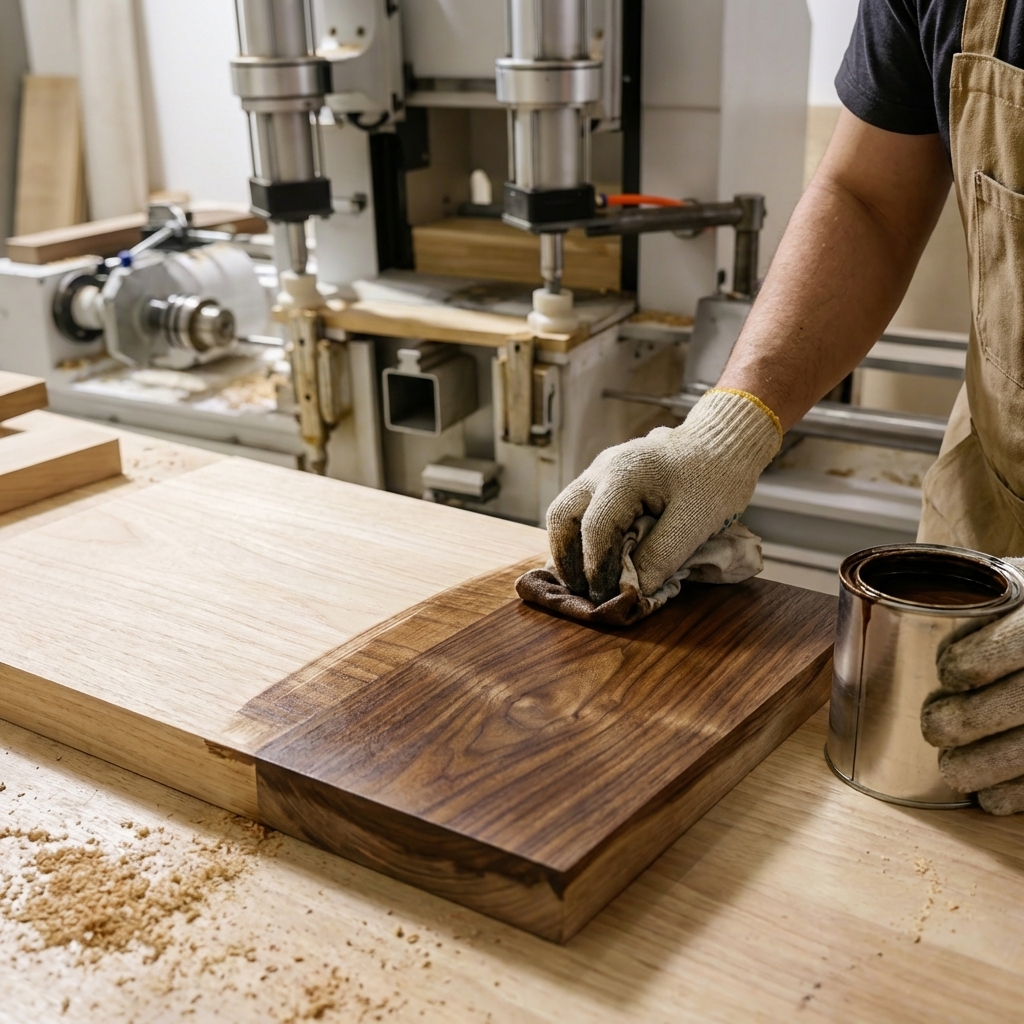
Yes, rubberwood furniture is often called a “blank canvas” by designers because its light natural color and uniform grain accept stains and paints beautifully. This allows you to create collections that mimic expensive woods like Teak or Walnut with high precision.
Adapting to global interior trends
Whether your market demands a light Scandinavian look or a dark Mid-Century Modern finish, this wood adapts effortlessly. The best part? The even grain ensures that stains are absorbed uniformly without blotchiness.
Customizing for OEM and ODM projects
The material’s fine texture allows for smooth surfaces and detailed carvings. Think about it: you can offer a diverse range of styles using a single, cost-effective base material.
- Even stain absorption
- Smooth sanding results
- Versatile color matching
Key Takeaway: The finishing flexibility of rubberwood allows your brand to pivot quickly to new design trends without changing your manufacturing source.
| Design Aspect | Capabilities |
|---|---|
| Color Adaptability | Stains to match any hardwood |
| Surface Texture | Fine and uniform |
| Customization | High (ideal for OEM) |
The versatility of this wood makes it the perfect choice for brands that need to refresh their styles frequently.
How Sensitive Is Rubberwood Furniture to Liquid Damage?
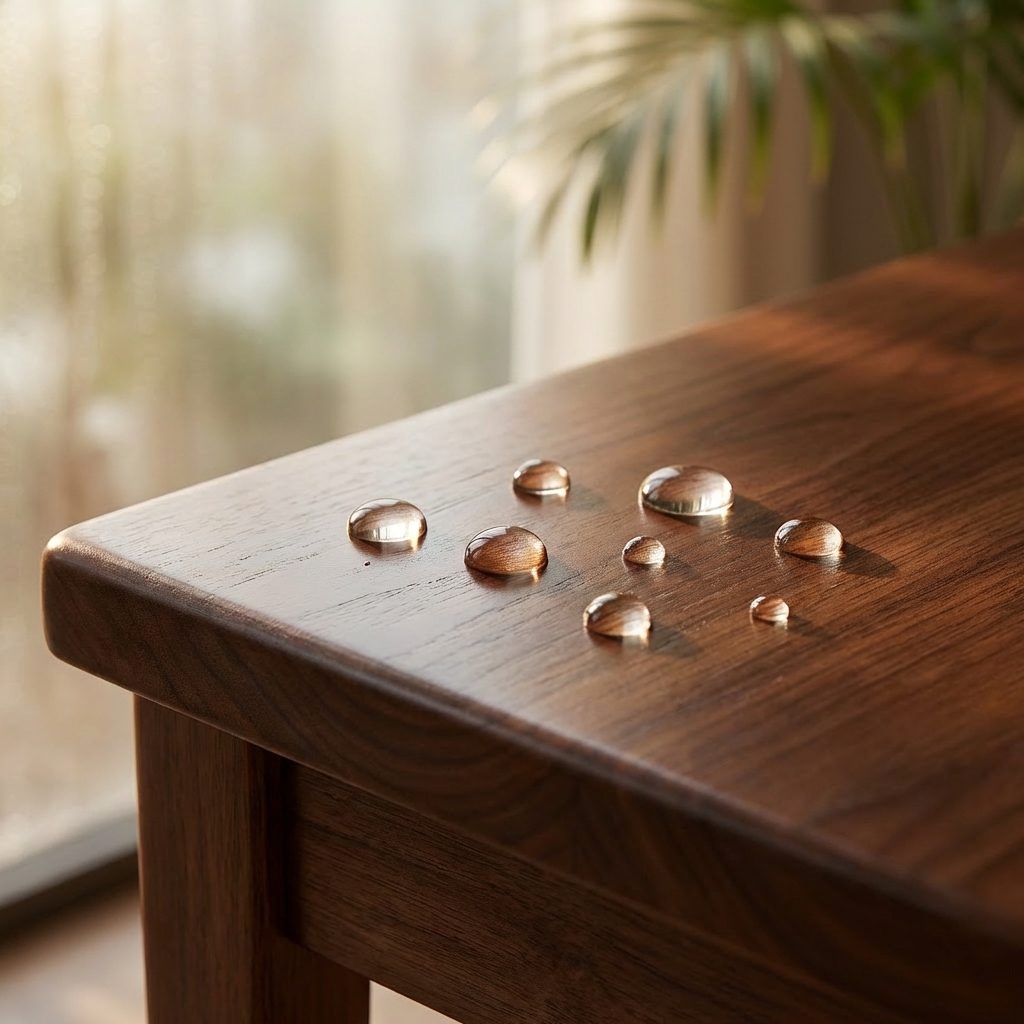
Rubberwood Furniture is naturally absorbent, which means it can be sensitive to extreme humidity and direct liquid exposure if not properly sealed. While it is durable, its biological makeup requires a protective barrier to prevent swelling or warping in moist environments.
Managing moisture in the supply chain
For B2B exporters, ensuring the wood is kiln-dried to a moisture content of 8-12% is vital. Here is the deal: without this precision, the wood may react to the climate changes during international shipping.
Protecting the surface from spills
In a residential setting, a high-quality polyurethane or lacquer coating is necessary to prevent water rings. It gets better: once sealed, the wood becomes much easier to manage in kitchens or entryways.
- Use moisture-resistant sealants
- Avoid outdoor applications
- Maintain climate-controlled storage
Key Takeaway: While moisture sensitivity is a known trait, it is easily managed through professional kiln-drying and high-quality finishing techniques.
| Moisture Factor | Risk Level | Mitigation |
|---|---|---|
| High Humidity | Moderate | Kiln-drying to 10% |
| Liquid Spills | High | Polyurethane topcoat |
| Outdoor Use | Avoid | Indoor only |
Understanding these environmental constraints allows you to provide better care instructions and reduce warranty claims for your clients.
Is Rubberwood Furniture Vulnerable to Surface Scratches?
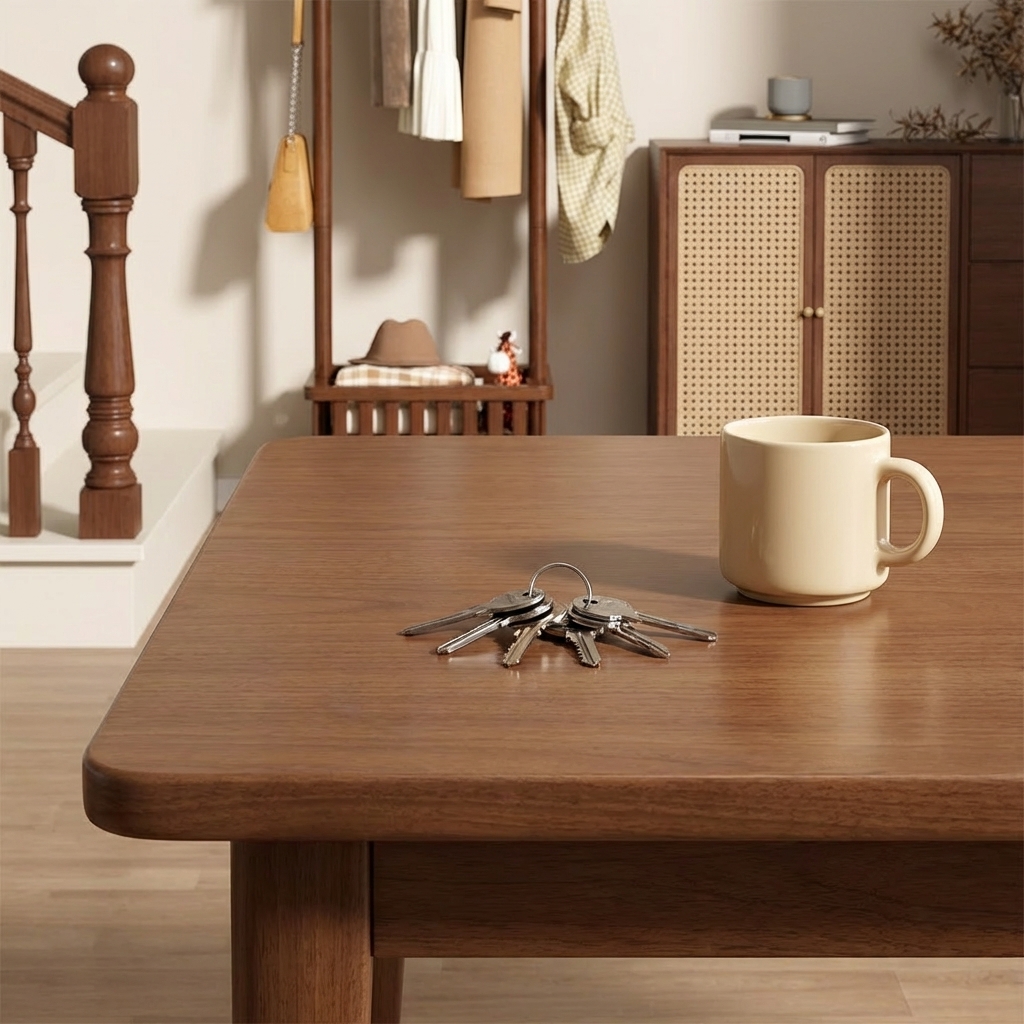
While dense, rubberwood furniture sits lower on the Janka hardness scale than premium options like Oak, making it slightly more susceptible to surface scratches from sharp objects. However, its internal structure resists deep dents effectively, preserving the overall shape of the piece.
The role of sacrificial topcoats
Most commercial manufacturers apply a hard-wearing UV or clear coat to act as a barrier. Make no mistake: the quality of the finish is what determines the scratch resistance in real-world use.
Easy repair and refinishing
One major advantage of solid rubberwood is that surface scratches can be sanded out and refinished. Unlike veneered products, you can restore the surface multiple times over the product’s lifespan.
- Apply protective coatings
- Use coasters and felt pads
- Sand and refinish if needed
Key Takeaway: Although it is susceptible to minor scratches, the solid nature of rubberwood allows for easy maintenance and long-term surface restoration.
| Surface Trait | Performance |
|---|---|
| Scratch Sensitivity | Moderate |
| Dent Resistance | High |
| Restoration Potential | High (Solid wood) |
Proactive surface protection is the key to maintaining the premium appearance of your rubberwood collections.
What Maintenance Does Rubberwood Furniture Require?
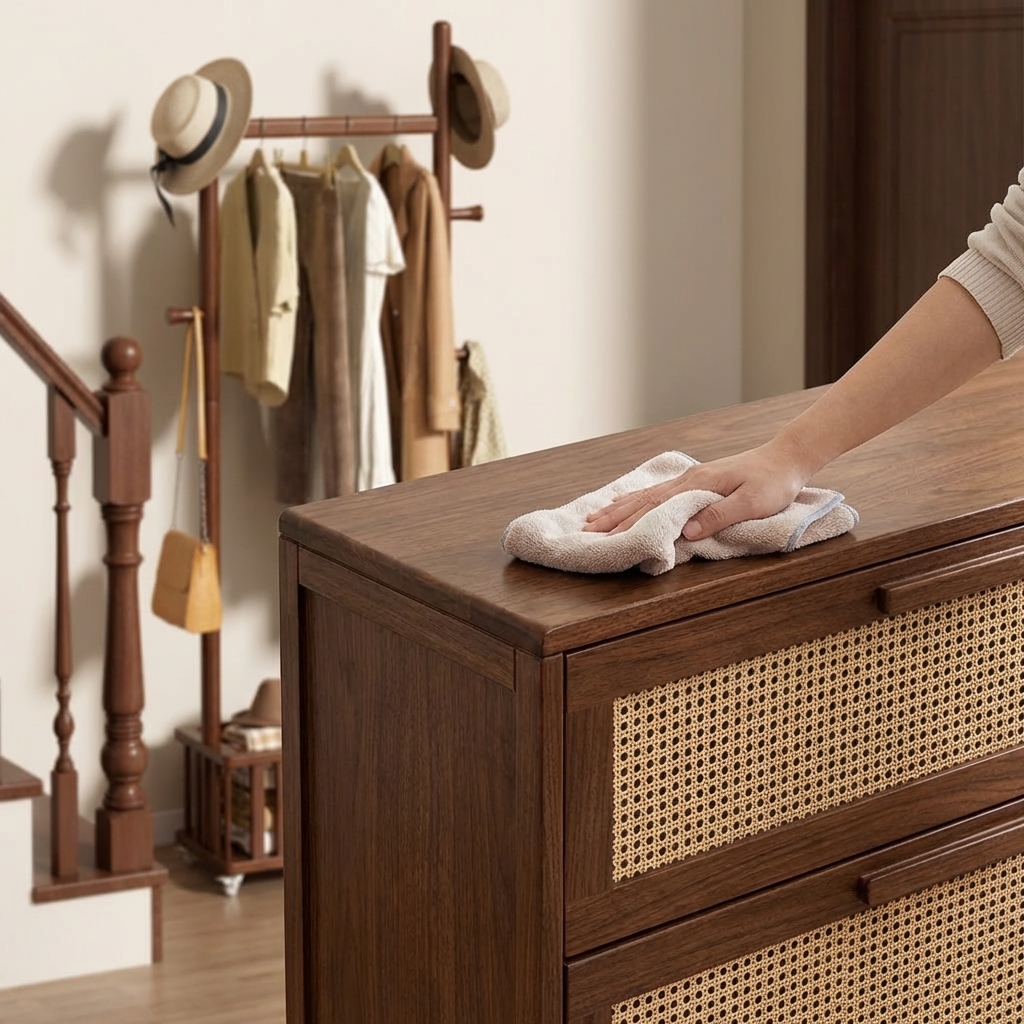
Maintaining Rubberwood Furniture is remarkably straightforward, requiring only basic cleaning and occasional polishing to keep it looking brand new. For professional buyers, providing these simple guidelines to end-users can significantly extend the product’s life.
Daily cleaning procedures
A dry or slightly damp microfiber cloth is usually enough to remove dust and light debris. Let’s be honest: avoiding harsh chemicals is the most important step in preserving the integrity of the protective finish.
Long-term wood care
Applying a high-quality furniture wax twice a year helps maintain the wood’s moisture balance. That’s not all: regular polishing also helps to mask minor surface wear and restores the wood’s natural luster.
- Use pH-neutral cleaners
- Avoid direct heat sources
- Dust with soft cloths weekly
Key Takeaway: Low-effort maintenance makes rubberwood an attractive option for busy households and high-traffic commercial spaces alike.
| Maintenance Task | Frequency | Method |
|---|---|---|
| Dusting | Weekly | Dry microfiber cloth |
| Deep Clean | Monthly | Damp cloth, mild soap |
| Waxing | Bi-Annually | Quality wood wax |
Simple care routines ensure your inventory remains in top condition, reflecting well on your brand’s commitment to quality.
Why Is Rubberwood Furniture Perfect for Global Export?
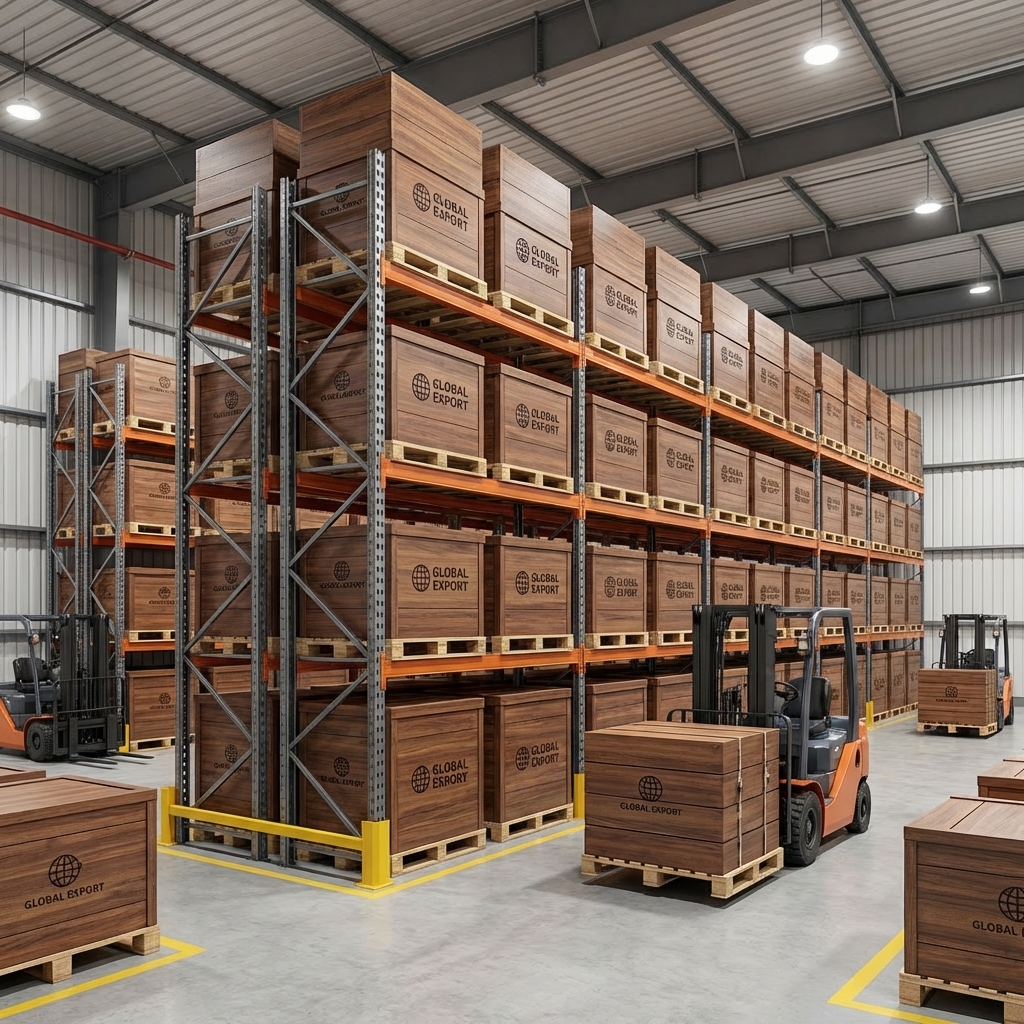
From a logistical perspective, rubberwood furniture offers specific advantages that streamline international shipping and reduce the risk of transit damage. Its stability and density make it the preferred material for high-volume OEM/ODM partnerships across the globe.
Optimizing for flat-pack shipping
The wood’s structural stability makes it perfect for Ready-to-Assemble (RTA) designs. It holds screws and fasteners securely, which is a critical kicker for apartment-friendly furniture that requires home assembly.
Compliance and customs efficiency
Because it is recognized as a sustainable byproduct, it often faces fewer regulatory hurdles than virgin timber. You might be wondering: does this speed up my lead times? Yes, it simplifies documentation for many international markets.
- High fastener retention
- Stable for RTA designs
- Sustainable compliance labels
Key Takeaway: Rubberwood’s stability and recognized sustainability status make it the most efficient solid wood choice for global distribution networks.
| Export Advantage | Business Impact |
|---|---|
| Fastener Strength | Reliable RTA assembly |
| Regulatory Ease | Faster customs clearance |
| Weight-to-Strength | Balanced shipping costs |
This material allows you to scale your business internationally with fewer logistical headaches and lower overall costs.
Is Rubberwood Furniture Easy to Manufacture at Scale?
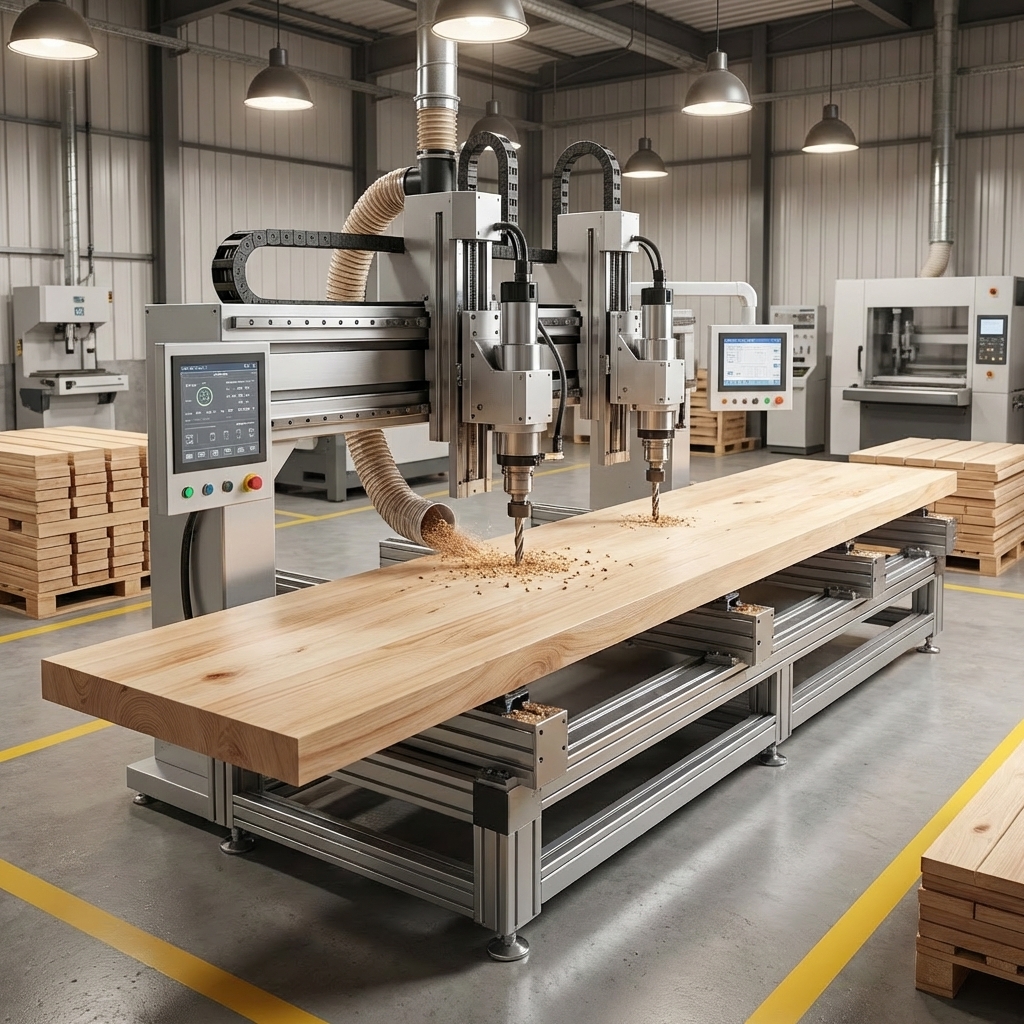
Yes, Rubberwood Furniture is exceptionally easy to manufacture because its uniform grain allows for high-precision machining with very low tool wear. This makes it a favorite for factories that specialize in mass production for international brands.
Consistency in production lines
The lack of large knots or irregular grain patterns means fewer rejects during the manufacturing process. The best part? This consistency leads to faster lead times and more predictable production schedules for your brand.
Precision for modern designs
Whether you are producing rotating bookshelves or complex shoe cabinets, the wood machines cleanly without splintering. It gets better: the precision achieved with rubberwood is rarely matched by other affordable hardwoods.
- Low tool maintenance costs
- High-speed machining capability
- Consistent output quality
Key Takeaway: The machinability of rubberwood ensures that your custom designs are produced with high accuracy and minimal waste.
| Manufacturing Metric | Rating |
|---|---|
| Machinability | Excellent |
| Waste Percentage | Very Low |
| Production Speed | High |
High-precision manufacturing with rubberwood guarantees that your products will meet the strictest quality control standards.
Where Can You Find High-Quality Rubberwood Furniture?

Finding a reliable partner for rubberwood furniture requires looking for manufacturers with a deep understanding of kiln-drying and moisture control. A specialized OEM/ODM partner can help you develop space-saving, market-validated designs that resonate with modern urban dwellers.
Sourcing from specialized experts
When you partner with an expert who focuses exclusively on solid wood, you benefit from years of technical refinement. Here is the deal: a manufacturer who manages the process from sourcing to export ensures the highest quality control.
Elevating your product catalog
From entryway storage to accent tables, rubberwood provides the versatility needed to build a cohesive brand identity. Make no mistake: the right source will provide the documentation and quality assurance your brand needs to thrive globally.
- Expert kiln-drying facilities
- Custom design capabilities
- Proven export track record
Key Takeaway: Sourcing from dedicated rubberwood specialists allows you to offer high-density, sustainable products that are ready for the global stage.
| Sourcing Criterion | Importance |
|---|---|
| Technical Expertise | High (Moisture control) |
| Design Support | Crucial for OEM/ODM |
| Export Experience | Vital for logistics |
Choosing a partner with a specific focus on rubberwood will ensure your inventory is both durable and commercially successful.
Elevate Your Inventory Today
Rubberwood furniture solves the core conflict between high material costs and the need for solid wood quality. By integrating this sustainable, durable, and versatile material into your product line, you can provide your customers with high-end aesthetics while protecting your bottom line. We have addressed the challenges of moisture, scratches, and sustainability, proving that with the right manufacturing partner, these “cons” are easily managed through technical expertise. If you are ready to expand your catalog with market-validated solid wood designs, contact us today to explore our custom OEM/ODM services and secure your competitive edge in the global furniture market.
Frequently Asked Questions
Can I use rubberwood furniture in my bathroom?
No, it is not recommended for high-moisture environments unless it is heavily sealed with a professional waterproof coating. Rubberwood is naturally absorbent and may swell or warp if exposed to constant humidity or standing water.
What is the best way to prevent scratches on rubberwood?
Yes, applying a hard polyurethane topcoat is the most effective way to protect the surface. You should also encourage the use of felt pads under heavy objects and coasters for drinks to maintain the finish.
Does rubberwood furniture contain harmful chemicals?
No, absolutely not. Because rubberwood is a natural timber byproduct, it does not require the heavy glues or formaldehyde often found in MDF or particleboard, making it a safer choice for home environments.
Can rubberwood be stained to look like Walnut?
Yes, it is one of the best materials for staining. Its light color and uniform grain allow it to mimic the deep tones and rich textures of premium hardwoods like Walnut or Teak with remarkable accuracy.
Is rubberwood as durable as Oak?
No, it is slightly softer than Oak on the Janka scale, but it is much more durable than most softwoods and composites. It offers a high-density structure that provides excellent impact resistance for all residential applications.