
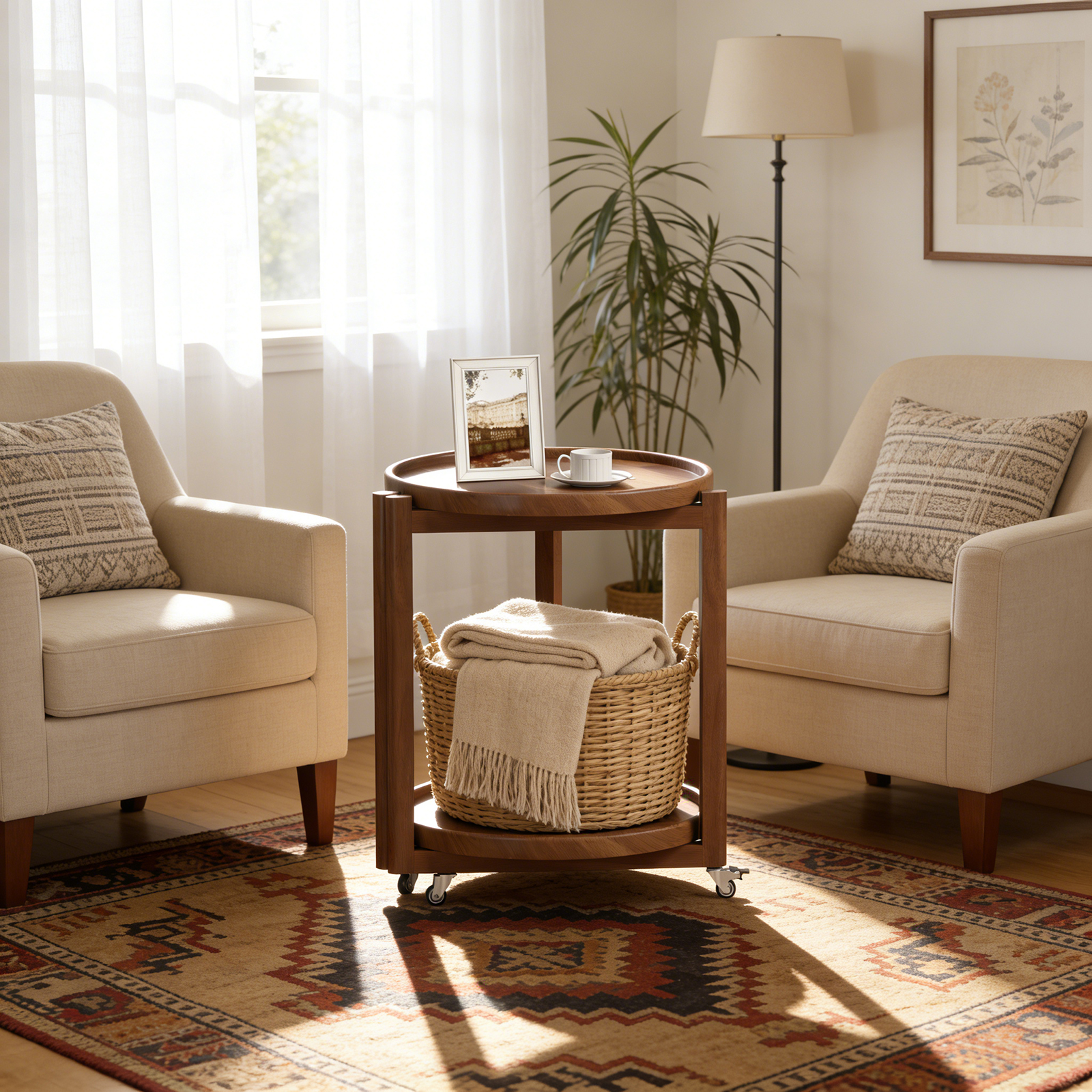
The main difference between an end table and a side table lies in their intended placement and surface area, with end tables specifically designed to sit flush against the arm of a seating piece while side tables are more freestanding. Many furniture buyers struggle to find the perfect balance between space-saving functionality and premium material durability in modern layouts. Choosing the wrong scale can lead to cluttered pathways and mismatched heights that diminish the overall user experience. To solve this, understanding what is a side table empowers you to curate versatile environments that prioritize both aesthetic elegance and daily practicality.
What is a side table compared to an end table?
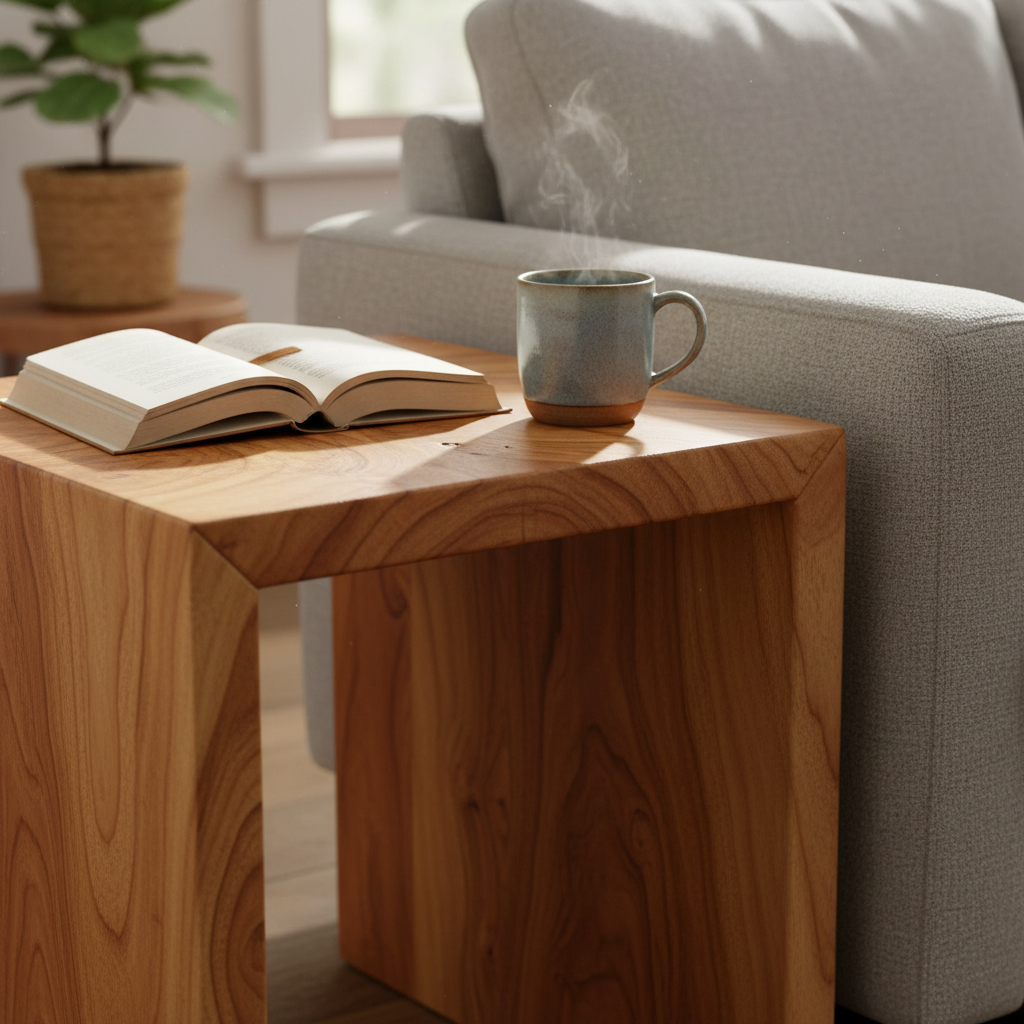
A side table is defined by its versatile placement and larger surface area, whereas an end table is specifically designed to bookend a sofa or chair arm. You will find that end tables typically have a smaller footprint to fit into tight corners. Understanding what is a side table allows you to distinguish between pieces meant for decorative display and those meant for arm-reach convenience.
Professional designers often select these pieces based on the primary function of the room. Solid wood options provide the structural integrity required for heavy-use living areas. You can optimize your space by selecting a material like rubberwood, which offers a dense grain and superior toughness. These choices ensure your furniture remains a long-term asset in your professional or residential projects.
Does the naming convention change the function?
When it comes down to it, the name often reflects the intended placement rather than a limit on how you use the piece. You might find that a high-quality side table serves perfectly as an end table if the dimensions align with your seating.
Here is why:
- Side tables offer more surface for lamps and decor.
- End tables focus on minimizing floor space usage.
- Both styles benefit from sustainable hardwood construction.
Key Takeaway: Selection should be based on available floor clearance and the height of neighboring furniture rather than purely on the product’s label.
| Feature | End Table | Side Table |
|---|---|---|
| Primary Placement | Next to sofa arms | Freestanding or against walls |
| Surface Area | Compact | Moderate to Large |
| Main Purpose | Utility (drinks, remotes) | Versatility & Decoration |
Analyzing the specific floor footprint against intended traffic flow ensures the piece enhances rather than obstructs room usability.
Why layout needs to define what is a side table?
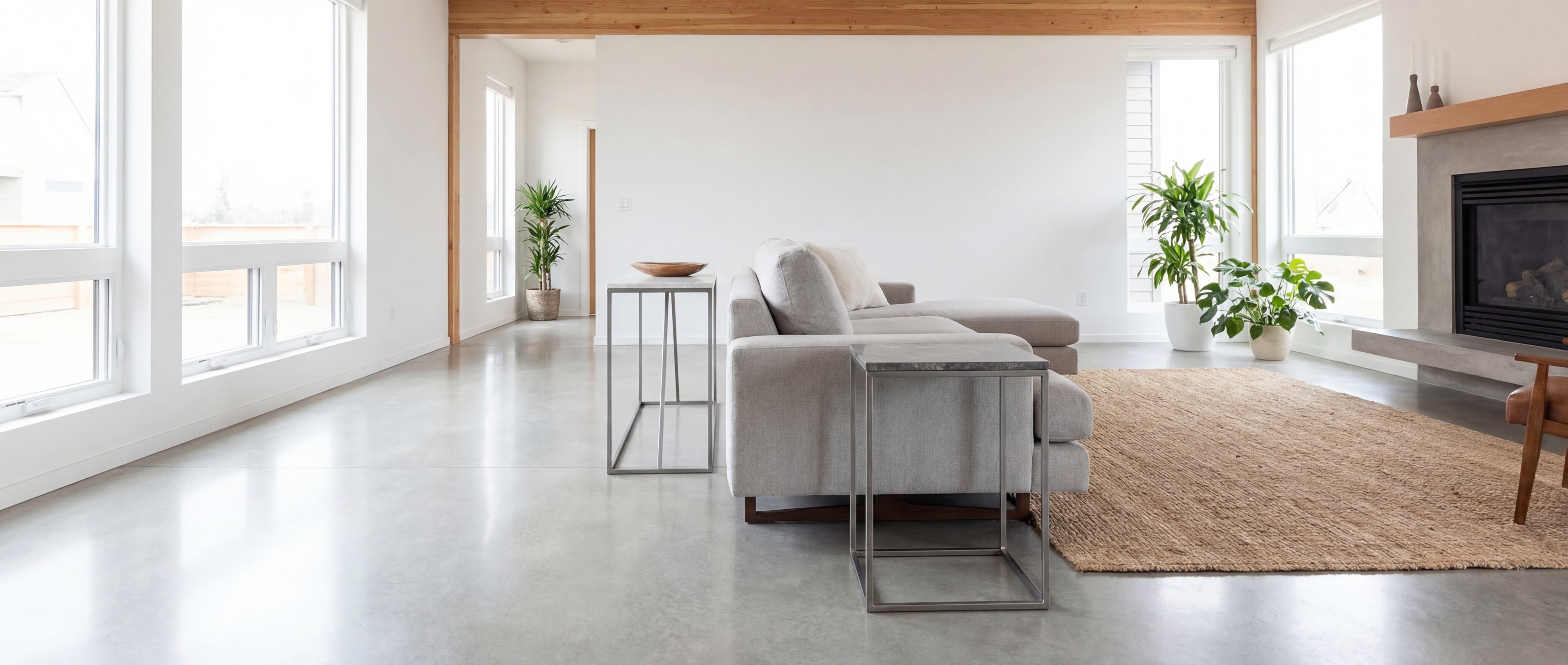
Your room layout dictates the flow of traffic, which is why identifying what is a side table helps you maintain clear walking paths. The footprint of these tables must account for door swings and the natural movement of occupants. You should ensure there is a minimum of 18 inches of clearance between the table and other large furniture.
Poorly planned placement can make a spacious room feel cramped and uninviting. By focusing on the scale of your seating, you can choose a table that complements rather than competes with the sofa. Modern urban living demands pieces that maximize vertical utility without occupying excessive floor area. Rubberwood furniture is particularly effective here due to its strength-to-weight ratio.
Impact on traffic flow and room scale
The secret is simple:
You must visualize the “invisible” lines of movement through the room before placing any accent furniture. Side tables that are too deep can create bottlenecks in high-traffic zones like entryways.
Consider these factors:
- Clearance for walking paths.
- Proximity to electrical outlets for lamps.
- Visual weight of the furniture legs.
Key Takeaway: Prioritize floor clearance to maintain an open, professional feel that accommodates natural human movement within the space.
| Layout Factor | Requirement | Benefit |
|---|---|---|
| Walking Gap | 18–24 inches | Prevents collisions |
| Depth | Under 20 inches | Saves precious floor space |
| Material | Solid Rubberwood | Lasting durability in high-traffic |
Evaluating movement patterns prior to purchase mitigates the risk of creating architectural obstacles in compact living environments.
Does size affect what is a side table choice?
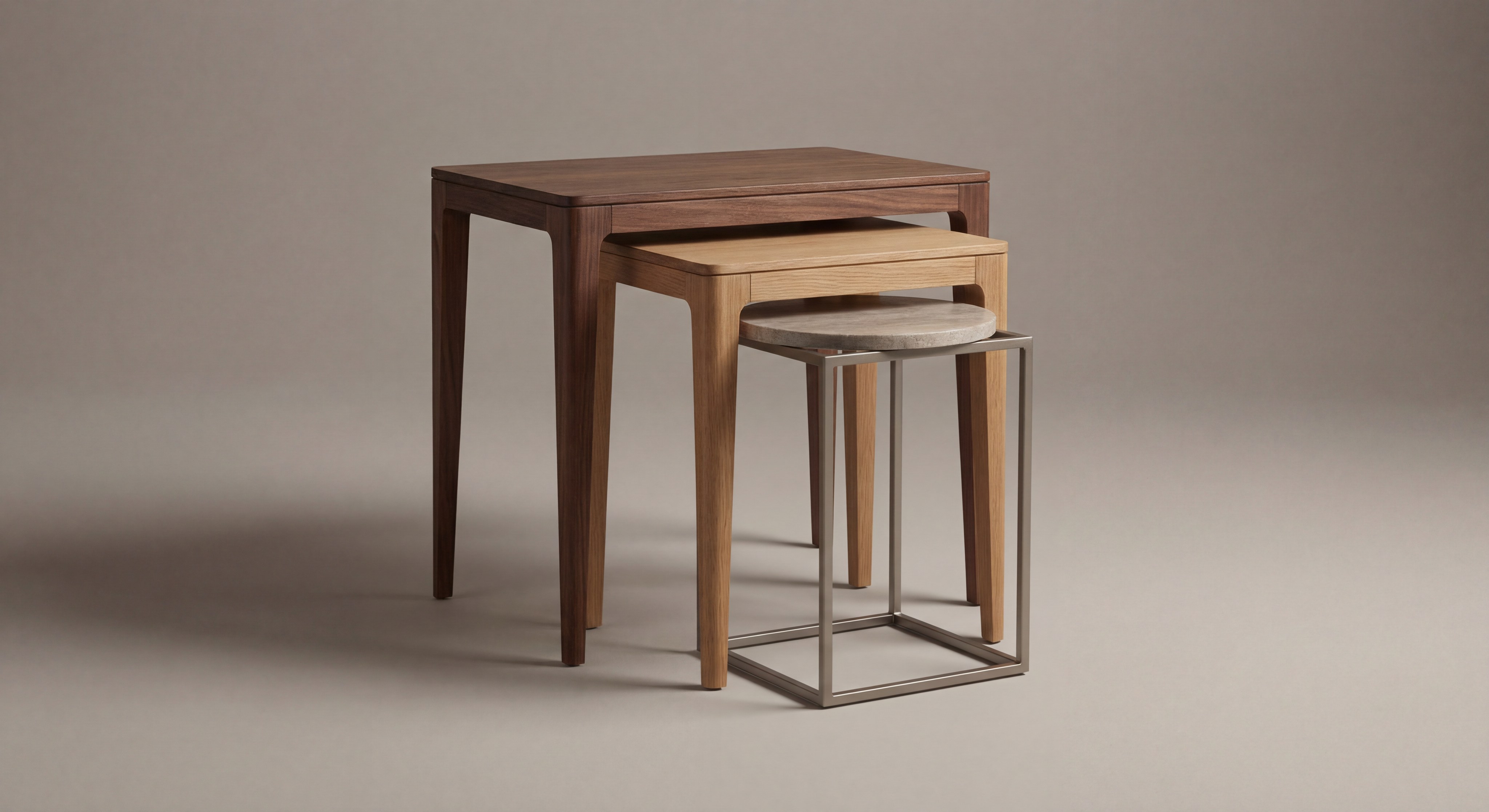
Size is the most critical technical specification when determining what is a side table because it must align with the height of your sofa cushions. Standard heights typically range from 18 to 24 inches to ensure comfortable reach for users. You should aim for a table surface that is within two inches of your seating’s arm height.
Choosing a piece that is too tall or too short disrupts the ergonomic balance of the room. Large side tables can double as workstations, while smaller ones are ideal for minimalist decorative accents. You must also consider the width, ensuring the table doesn’t extend past the depth of the seating it accompanies. Precise measurements are the foundation of a professional interior design project.
Standard dimensions you need to know
Think about it:
Most sofa arms sit at approximately 25 inches, meaning your table should ideally hover around the 22 to 24-inch mark. This allows for a natural reach when placing a book or beverage down.
Standard guidelines include:
- Height: 18″ to 24″ for standard seating.
- Width: 12″ to 22″ for compact spaces.
- Length: Should not exceed the sofa depth.
Key Takeaway: Matching the table height to the seating arm height is the primary rule for achieving both comfort and visual harmony.
| Dimension | Ideal Range | User Impact |
|---|---|---|
| Height | 20″ – 24″ | Easy access to items |
| Width | 14″ – 18″ | Fits between seats |
| Material Density | Hardwood | Supports heavier lamps/tech |
Synthesizing height and width requirements ensures the furniture serves its functional purpose without overwhelming the seating area’s proportions.
Can a bedroom host what is a side table?
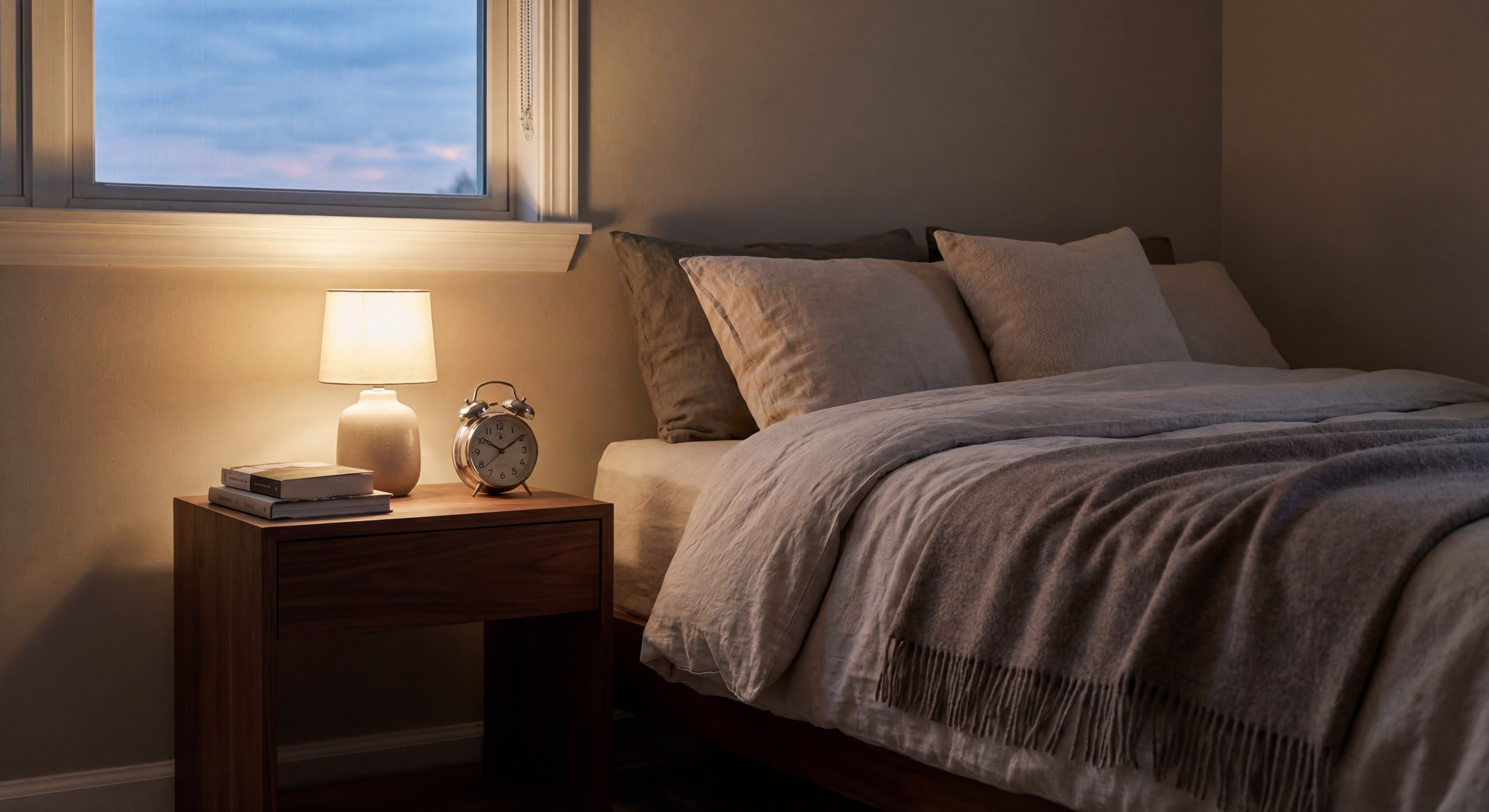
Side tables are frequently repurposed as nightstands because understanding what is a side table reveals their compact versatility for small bedrooms. You can use them to hold bedside lamps, alarm clocks, and personal items without the bulk of traditional dressers. They are particularly useful in guest rooms where space is at a premium.
A simple solid wood nightstand design can offer a cleaner, more modern look than heavy cabinetry. You benefit from the open-leg structure which makes the bedroom feel more spacious and airy. Using rubberwood for these pieces ensures they resist the moisture of a water glass and the wear of daily use. This flexibility makes them a favorite for multi-residential projects.
Using side tables as bedside nightstands
You might wonder:
Can a small table really provide enough storage for a primary bedroom setup? The answer lies in selecting designs with lower shelves or small integrated drawers.
Benefits of this approach:
- Reduces visual clutter in small rooms.
- Easier to move for cleaning or rearranging.
- Often more affordable than full nightstands.
Key Takeaway: Side tables serve as excellent, space-efficient alternatives to nightstands when you prioritize a minimalist aesthetic and high floor visibility.
| Bedroom Use | Advantage | Best Feature |
|---|---|---|
| Guest Room | Space-saving | Compact footprint |
| Minimalist Suite | Modern look | Open structural design |
| Kids’ Room | Durability | Solid wood stability |
The transition from living room accent to bedroom utility demonstrates the inherent versatility of well-constructed, small-scale solid wood furniture.
Which wood suits what is a side table best?
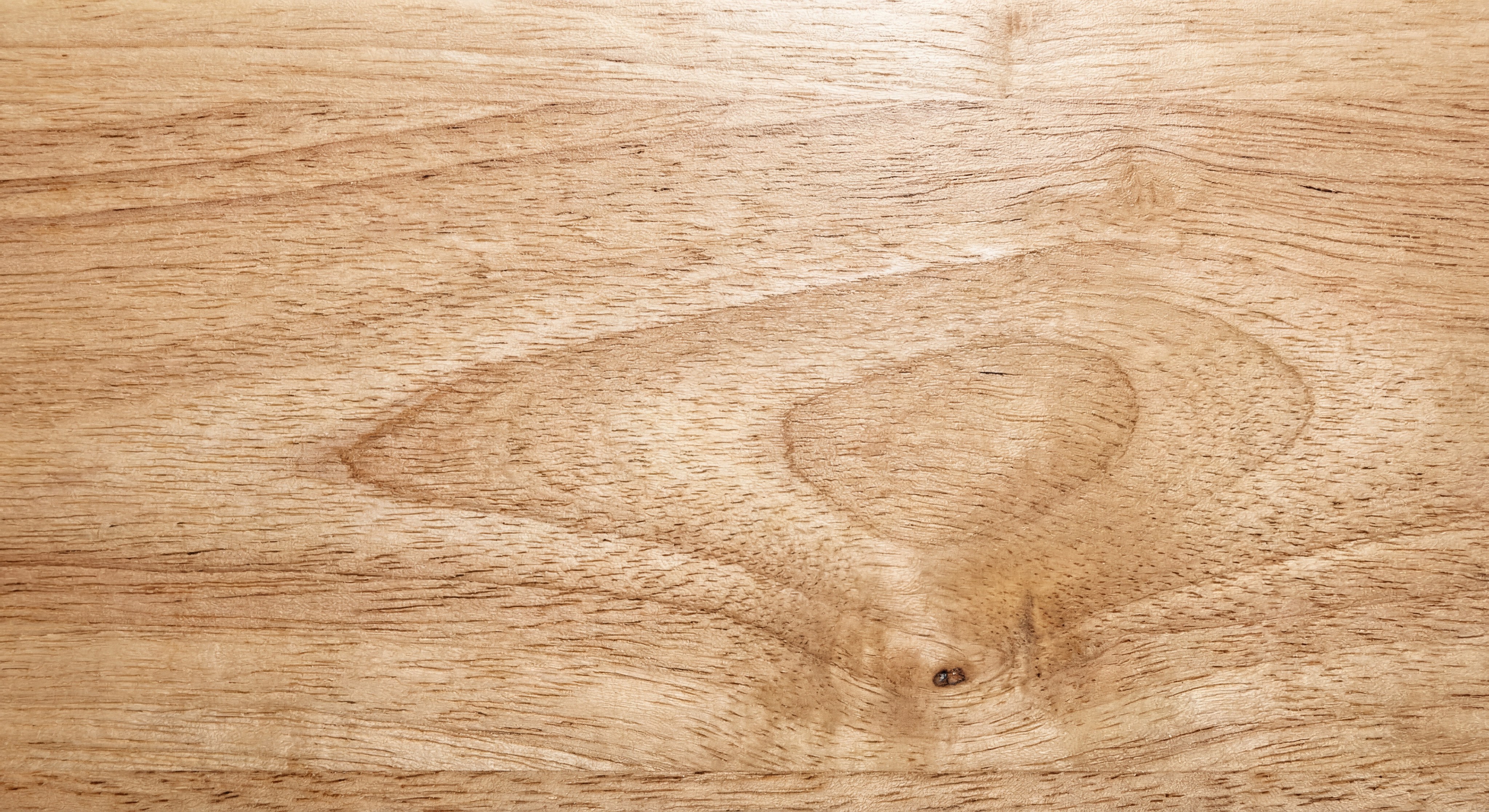
Rubberwood is widely considered the superior choice for what is a side table due to its incredible density and sustainable nature. You get a fine-grained, clear natural texture that accepts stains and finishes with exceptional uniformity. This material is a dense hardwood, meaning it offers high resistance to daily wear and impact.
Avoid low-grade composites like MDF or particleboard which can swell or crack over time. When you choose 100% solid rubberwood, you are investing in furniture that maintains its structural integrity for years. It is FSC-certifiable and widely accepted in international markets for its eco-friendly lifecycle. Professional buyers prioritize this material for its combination of value and premium tactile quality.
Solid wood vs. engineered wood durability
Let’s be honest:
Engineered wood might save money upfront, but it often fails in high-traffic environments where stability is non-negotiable. Solid wood allows for repairability and long-term beauty.
Why rubberwood wins:
- High toughness and wear resistance.
- No formaldehyde glue or composite fillers.
- Beautiful, clear natural wood patterns.
Key Takeaway: Solid rubberwood provides the highest density and durability for the price point, far outperforming cheap composite alternatives in professional settings.
| Material | Durability | Environmental Impact |
|---|---|---|
| Solid Rubberwood | High | Sustainable/Renewable |
| Engineered Wood | Low | High Glue Content |
| Bamboo | Moderate | High Processing |
Investigating the cellular density of the wood species reveals why rubberwood is the preferred choice for durable, global-market-ready furniture designs.
Where is what is a side table comparison chart?
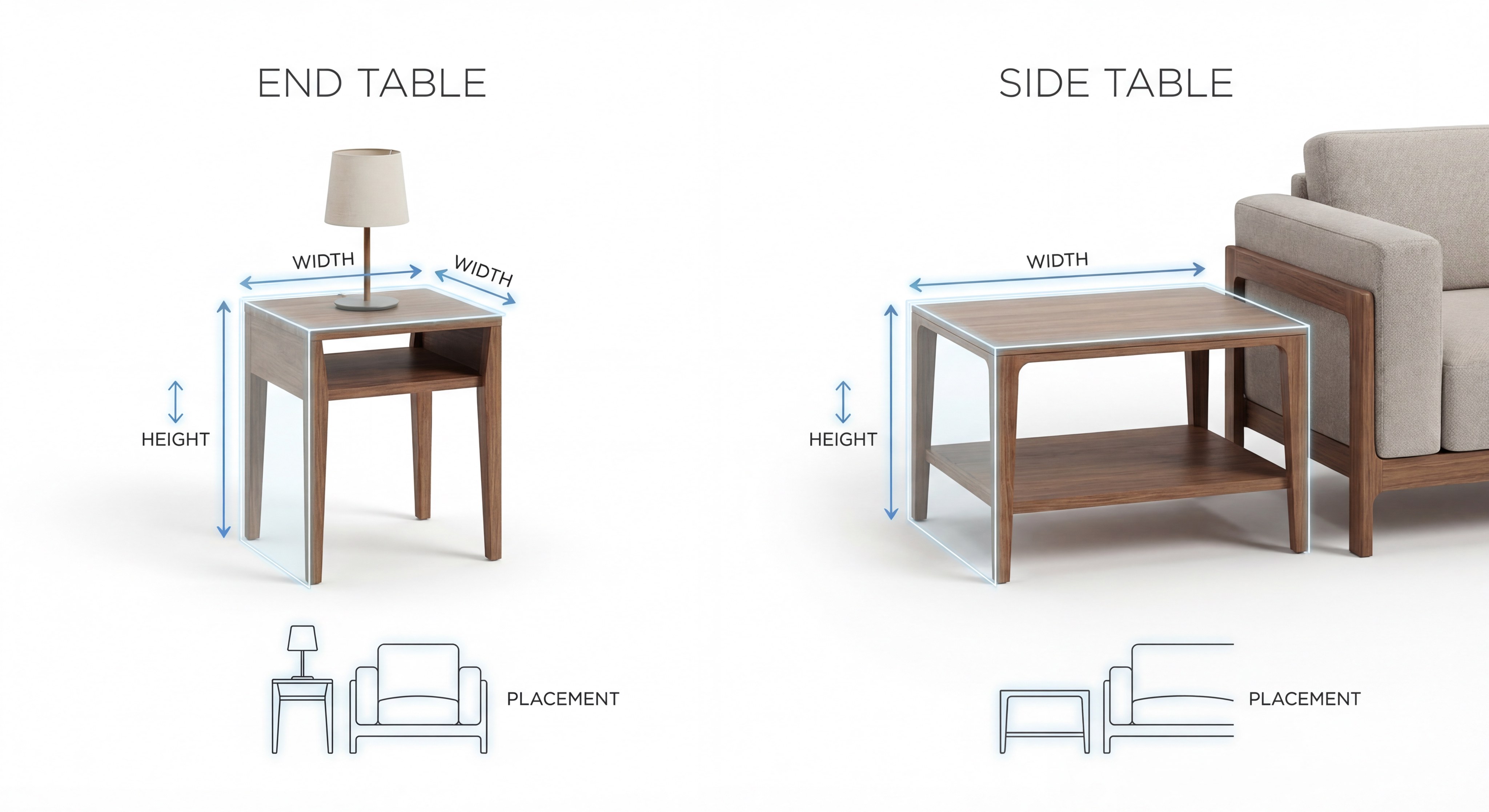
A visual comparison chart is essential for identifying what is a side table because it highlights the distinct proportions and placement zones. You can clearly see how an end table tucks into the corner of a sectional sofa. Side tables, conversely, are shown with more clearance to accommodate their often larger tops.
A round solid wood coffee table is often paired with these charts to show the complete living room ecosystem. You will notice that side tables are frequently used as “satellite” pieces throughout a room rather than being anchored to one spot. This visual guide helps B2B buyers understand how to market different pieces to their end consumers. Utilizing these diagrams reduces purchasing errors and improves customer satisfaction.
A side-by-side comparison of features
Look at it this way:
If you can see the table’s profile against a standard sofa height, you can instantly judge if it fits your specific project needs. Diagrams remove the guesswork from online furniture sourcing.
Comparison highlights:
- Surface area versus profile width.
- Typical leg structure and stability.
- Common placement in residential layouts.
Key Takeaway: Visual charts are the most efficient way to communicate the scale and functional differences between various accent furniture categories to clients.
| Comparison Point | End Table | Side Table |
|---|---|---|
| Visual Profile | Slim / Vertical | Broad / Sturdy |
| Room Placement | Fixed to Seating | Flexible / Dynamic |
| Design Priority | Reachability | Display Surface |
Mapping the furniture’s physical dimensions against its intended zone of use provides a logical framework for complex interior layout decisions.
How to measure for what is a side table?
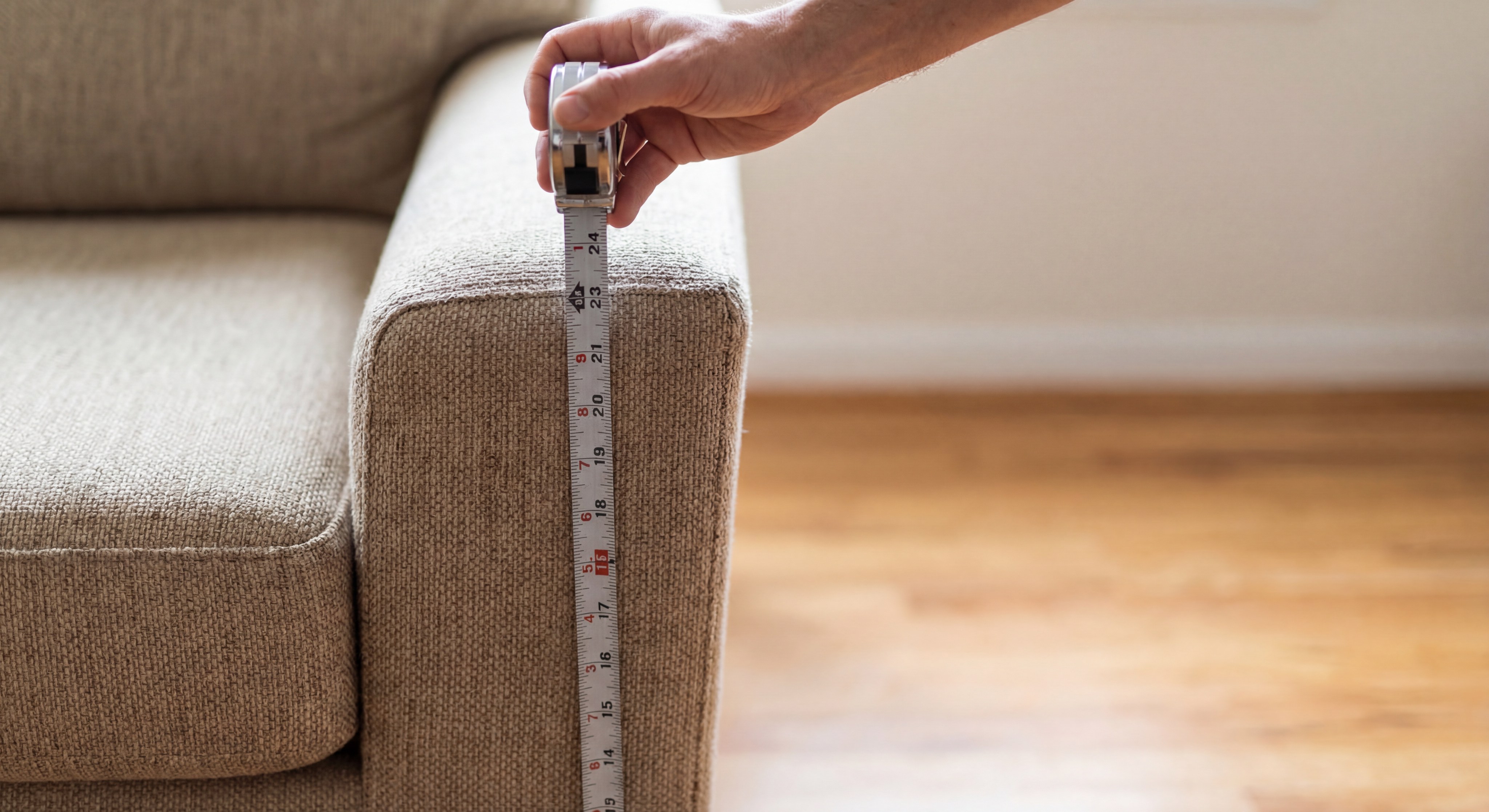
The “Tape Test” is a mandatory step in confirming what is a side table because it allows you to visualize the piece in your physical space. You should use a steel measuring tape to check the height from the floor to the top of your sofa arm. Marking the floor with masking tape helps you understand how much walking space will remain.
Missing this step often results in furniture that feels out of place or obstructs the room’s flow. You should also measure the depth of your seating to ensure the table does not protrude awkwardly into the room. If you are sourcing for a hotel or rental property, consistency in these measurements across units is vital. Professional layouts rely on these precise spatial calculations to ensure user comfort.
How to measure your existing furniture
Here is the drill:
Always measure twice and check your clearances for door swings and cabinet openings. A table that fits the space but blocks a drawer is a functional failure.
Measurement checklist:
- Floor to sofa arm height.
- Available floor width and depth.
- Clearance for surrounding furniture.
Key Takeaway: Using physical markers on the floor before buying is the only way to guarantee the new table won’t disrupt the room’s traffic patterns.
| Measurement | Tool Needed | Target Accuracy |
|---|---|---|
| Seating Height | Steel Tape | Within 0.5 inches |
| Clearance | Tape/Laser | 18-inch minimum |
| Material Thickness | Caliper | Consistent Finish |
Executing a rigorous measuring process eliminates the high costs and logistical headaches associated with furniture returns and layout reworks.
Is assembly easy for what is a side table?
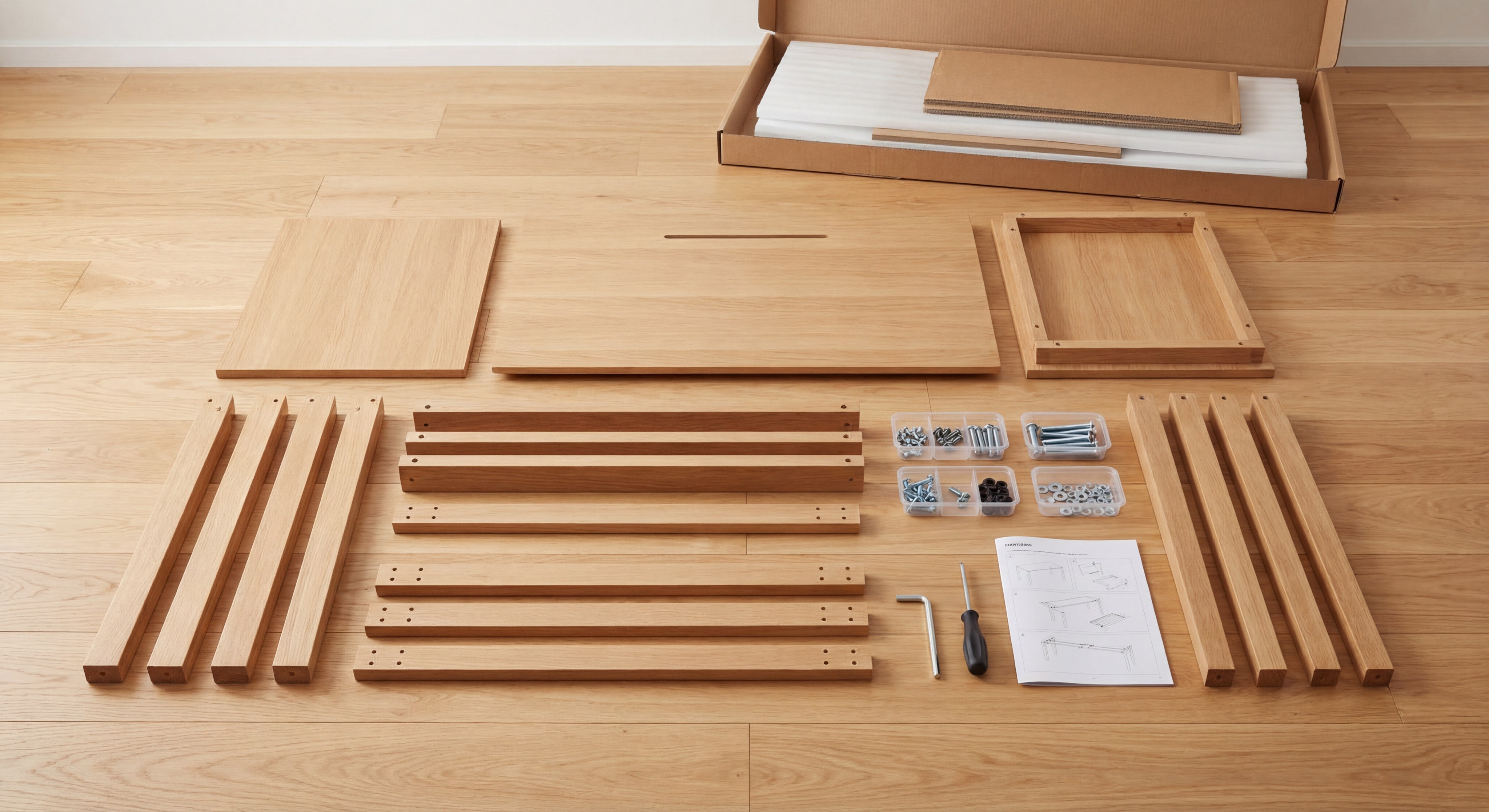
Assembly complexity is a frequently overlooked factor when considering what is a side table for large-scale projects. You will find that most modern pieces come as “flat-pack” furniture to reduce shipping costs and damage risks. High-quality solid wood sets usually include all necessary hardware and a simple hex key.
A double layer bamboo side table often features precision-drilled holes that make setup a 15-minute task. You should look for CNC-machined components which ensure every screw aligns perfectly without forcing the wood. Poorly manufactured pieces can lead to structural wobbles or stripped threads. Reliable manufacturers provide clear, multi-language instructions to facilitate quick deployment in rental or hospitality settings.
Flat-pack convenience vs. stability risks
Don’t skip this:
The quality of the internal hardware is just as important as the wood itself. Steel bolts and cam-locks provide the tension needed for a rock-solid finished product.
Assembly tips:
- Lay out all parts on a soft surface first.
- Hand-tighten all screws before final tightening.
- Check for structural wobbles after assembly.
Key Takeaway: Precision manufacturing and high-quality hardware are what separate a stable solid wood table from a cheap, wobbly alternative.
| Assembly Factor | Standard | B2B Requirement |
|---|---|---|
| Time Required | 15–30 Minutes | Scalable Deployment |
| Tooling | Included Hex Key | Minimal Tool Count |
| Joinery | CNC Precision | Zero Tolerance Fit |
Analyzing the hardware quality and machining precision of flat-pack furniture is the most effective way to predict long-term structural stability.
Do reviews help pick what is a side table?
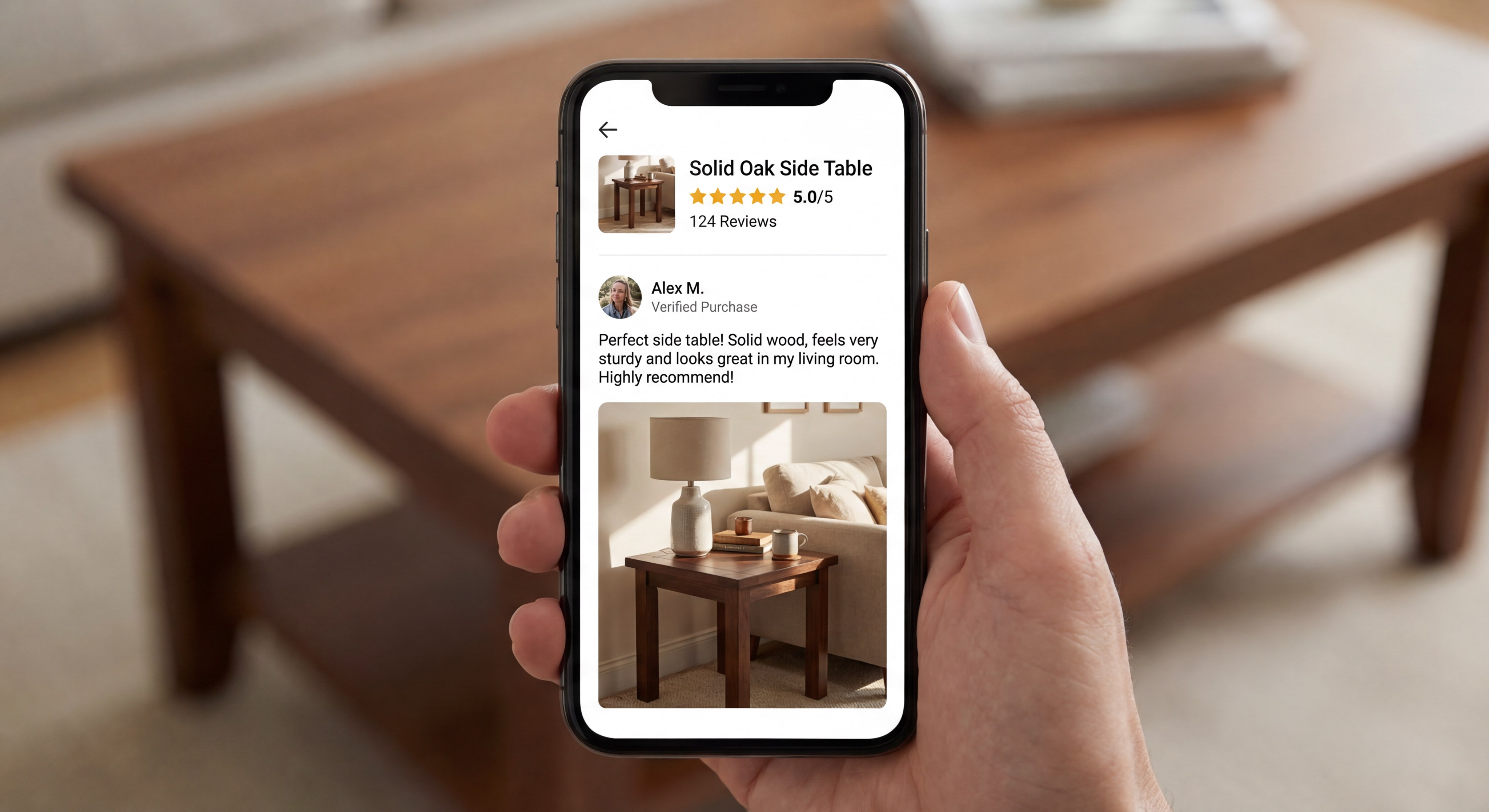
Customer reviews provide the most honest data regarding what is a side table and how it performs in real-world conditions. You should specifically filter for photos taken by customers to verify the true color and grain of the wood. These images often reveal the actual scale of the table better than studio-lit marketing shots.
A history of positive feedback regarding stability and weight capacity is a strong indicator of quality. You should be wary of reviews that mention frequent wobbling or difficulty with the finish. Professional buyers often use these data points to validate a supplier’s quality control consistency. In the B2B world, high repurchase rates across thousands of reviews are the ultimate validation of a product’s market success.
Spotting real customer photos of wood quality
The truth is:
Marketing photos can hide flaws that a simple smartphone photo from a customer will highlight immediately. Look for the “Tactile” feedback in the text.
What to look for:
- Mentions of “heavy” or “solid” feel.
- Photos of the wood grain in natural light.
- Reports on how the finish holds up to spills.
Key Takeaway: Verified customer photos are the most reliable tool for confirming that the product’s finish and stability match the professional marketing claims.
| Review Metric | Significance | Decision Impact |
|---|---|---|
| Star Rating | Overall Satisfaction | Initial Screen |
| Photo Reviews | Visual Verification | Final Validation |
| Stability Reports | Structural Quality | Risk Mitigation |
Filtering for specific mentions of material weight and assembly precision allows you to separate premium hardwood furniture from low-quality imitators.
Does storage improve what is a side table?
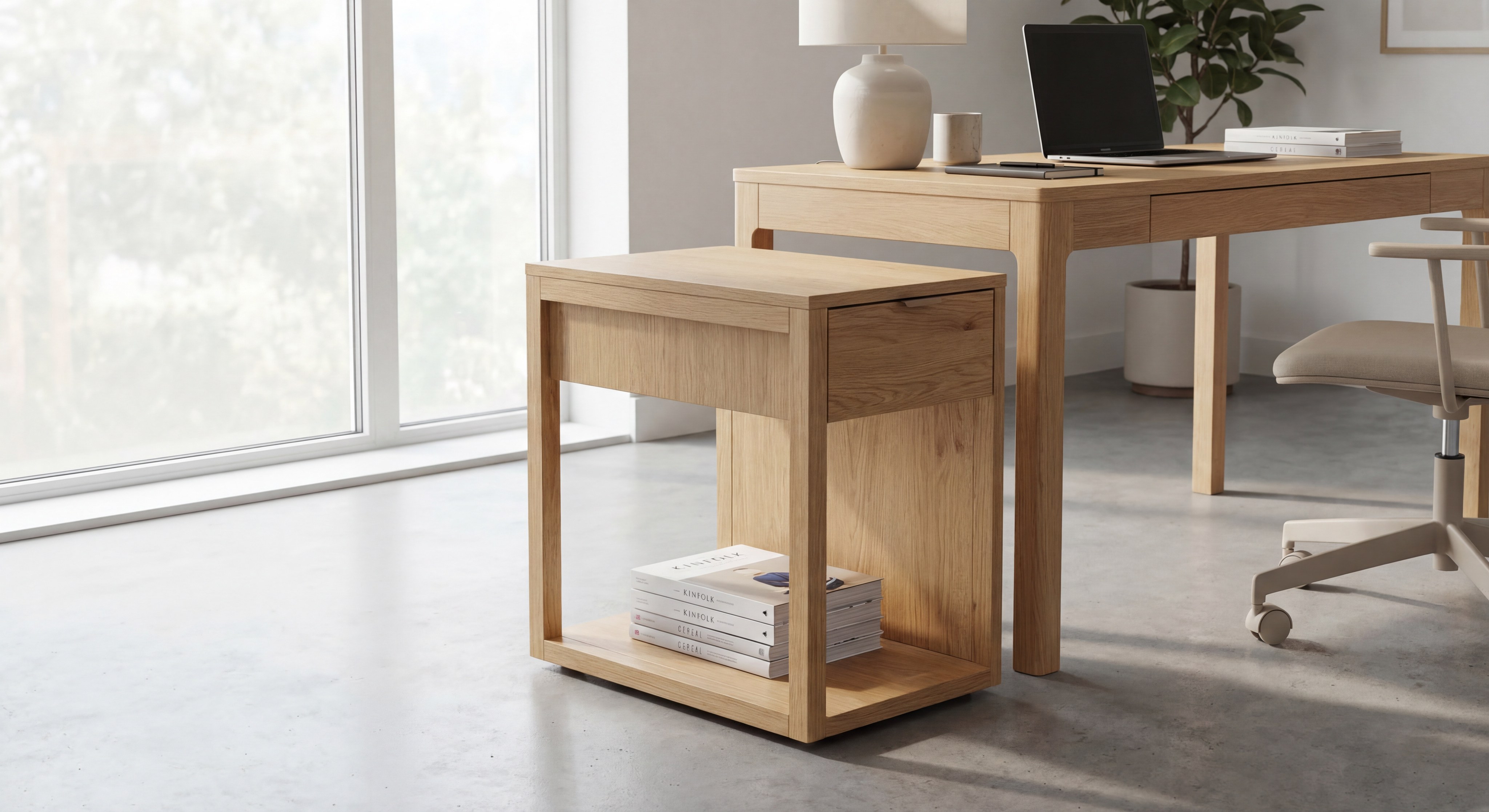
Adding storage options like shelves or drawers significantly increases the value of what is a side table in professional office or home settings. You can use these pieces to organize magazines, remotes, or office supplies while keeping the top surface clear. Multi-functional designs are essential for modern, space-saving environments.
A table with a double layer bamboo side table configuration provides vertical storage without increasing the footprint. This makes it an ideal choice for home offices where you need access to notebooks and chargers. High-density rubberwood supports these complex structures without sagging under the weight of books. Choosing storage-rich pieces helps end users maintain a clutter-free, organized living or working space.
Tables with drawers vs. open shelving
Make no mistake:
The right storage configuration can turn a simple accent piece into a vital organizational tool. Open shelving is better for decor, while drawers hide daily clutter.
Storage benefits:
- Maximizes vertical room utility.
- Keeps essential items within easy reach.
- Reduces the need for larger storage units.
Key Takeaway: Integrated storage features like lower shelves or drawers dramatically enhance the functionality of side tables in compact, urban environments.
| Storage Type | Best Use Case | Benefit |
|---|---|---|
| Single Drawer | Hidden Essentials | Clean Aesthetic |
| Open Shelf | Books / Magazines | Easy Access |
| Multi-Tier | Maximum Storage | Vertical Efficiency |
Strategic selection of storage-focused accent furniture allows you to optimize room organization while maintaining a sophisticated, professional design language.
Frequently Asked Questions
Can I use a side table as a nightstand in a small bedroom?
Yes, you certainly can. This is a space-saving solution that provides essential bedside surface area while maintaining an airy, open feel in compact rooms.
What’s the best material for a durable and sustainable end table?
Solid rubberwood is the premier choice. It offers the density of traditional hardwoods with the added benefit of being a highly sustainable, eco-friendly byproduct of the latex industry.
How do I know if the table height is correct for my sofa arm?
The “Tape Test” is your best tool. Measure the height of your sofa arm; the ideal table should sit within two inches above or below that measurement for ergonomic reach.
Can I mix different styles of end tables in the same room?
Absolutely, provided there is a unifying element. Keeping a consistent material, like natural wood, or a similar height profile allows you to mix styles while maintaining visual harmony.
What’s the best way to prevent water rings on solid wood tables?
Use coasters and choose tables with professional-grade surface coatings. High-quality water-curtain spray finishes provide a durable barrier that protects the wood grain from occasional spills.
Conclusion
Distinguishing between an end table and a side table is the first step toward creating a professional, functional living space. By focusing on placement, height, and the superior durability of solid rubberwood, you can source furniture that meets the demands of modern global markets. Whether you are outfitting a high-end apartment or a commercial project, the right accent piece bridges the gap between style and utility.
If you have questions about custom manufacturing or high-volume orders, please contact us directly. At TaitiyHome, our vision is to provide the global market with sustainable, space-saving solid wood furniture that balances craftsmanship with market-validated design. We look forward to supporting your brand’s growth through reliable manufacturing and premium material expertise.