
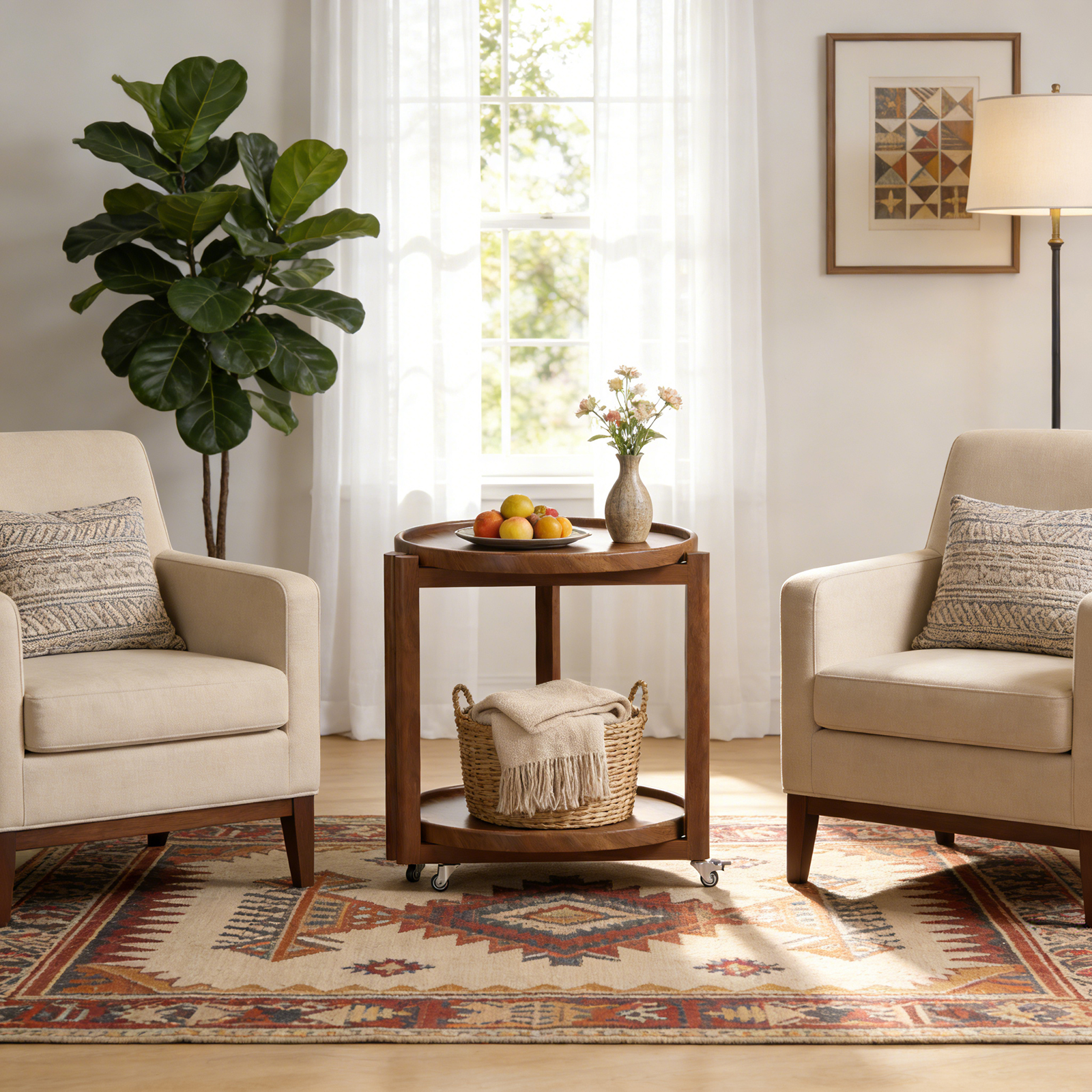
The main difference between an end table and a side table lies in their placement and surface area, with end tables typically tucked beside furniture while side tables stand more independently. Choosing the wrong accent furniture often results in a living room that feels disjointed and lacks practical storage. You might struggle with a surface that is too small for your lamp or a height that makes reaching for your coffee uncomfortable. By understanding what is a side table and how it functions, you can invest in side tables that enhance your home’s flow and utility.
What is the main difference between an end and side table?
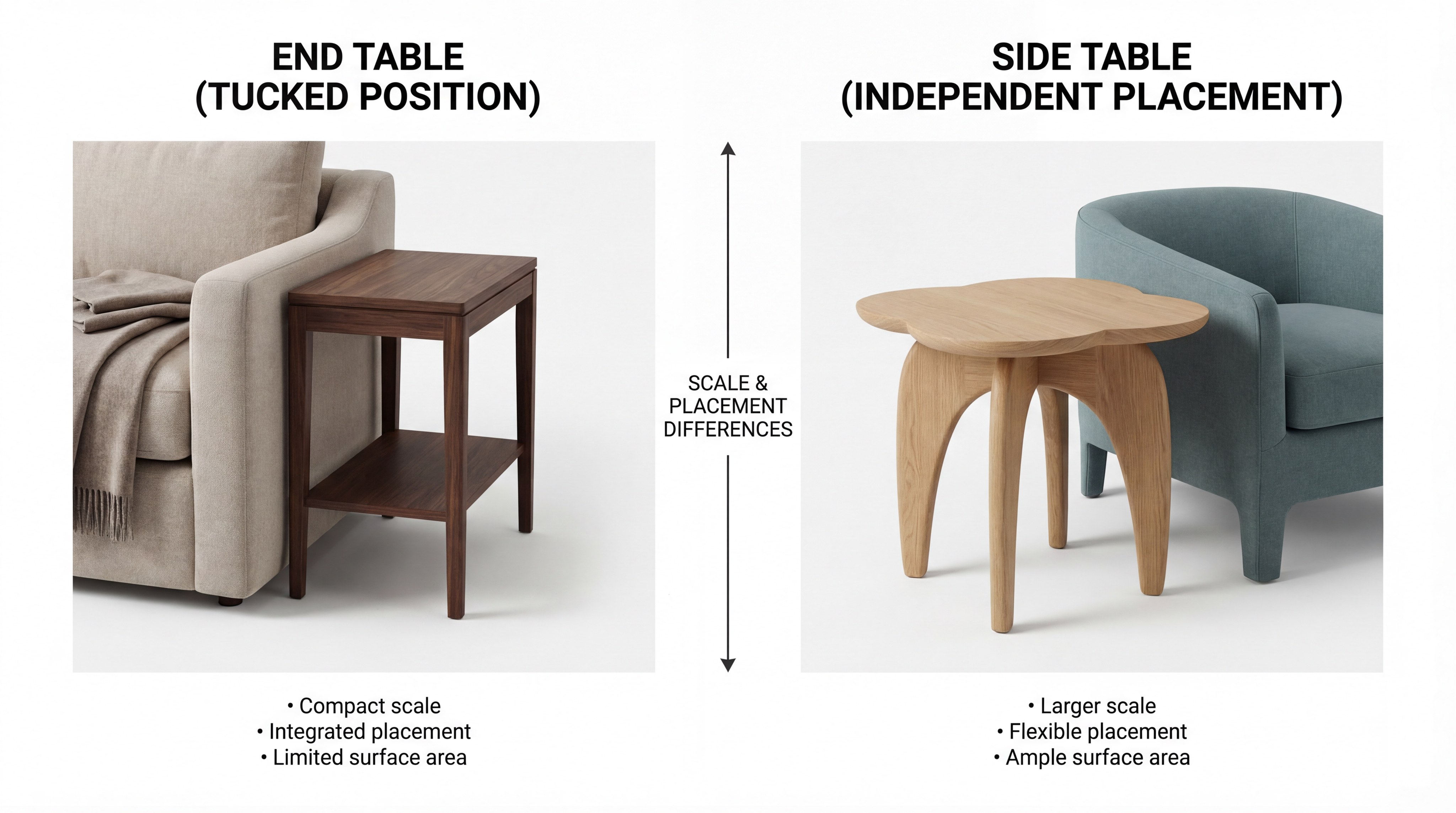
The primary distinction is found in the size and placement of the piece relative to your seating. When you ask what is a side table, you are looking at a versatile piece often featuring a larger surface area than a compact end table. These items are designed to complement your living room furniture while providing essential functionality.
Identifying the Core Purpose of Each Piece
Think about how you use your furniture daily. End tables are specifically meant to be “hidden” at the end of a sofa or bed.
- Tucked into tight corners.
- Holds small items like remotes.
- Matches the height of armrests.
Key Terminology and Regional Variations
Terminology can change depending on where you shop. While some retailers use the terms interchangeably, designers often distinguish them by their visual weight.
- Side tables act as standalone accents.
- End tables serve as supportive companions.
- Regional habits influence naming conventions.
Key Takeaway: End tables are supportive and tucked away, while side tables are larger, more decorative, and can stand alone.
| Feature | End Table | Side Table |
|---|---|---|
| Placement | Beside sofa/bed armrest | Open space near seating |
| Surface Size | Small/Compact | Moderate to Large |
| Visual Style | Functional/Subtle | Decorative/Prominent |
Analysis: The choice depends on whether you need a subtle support piece or a visible design statement in your room.
Why should you understand the role of accent furniture?
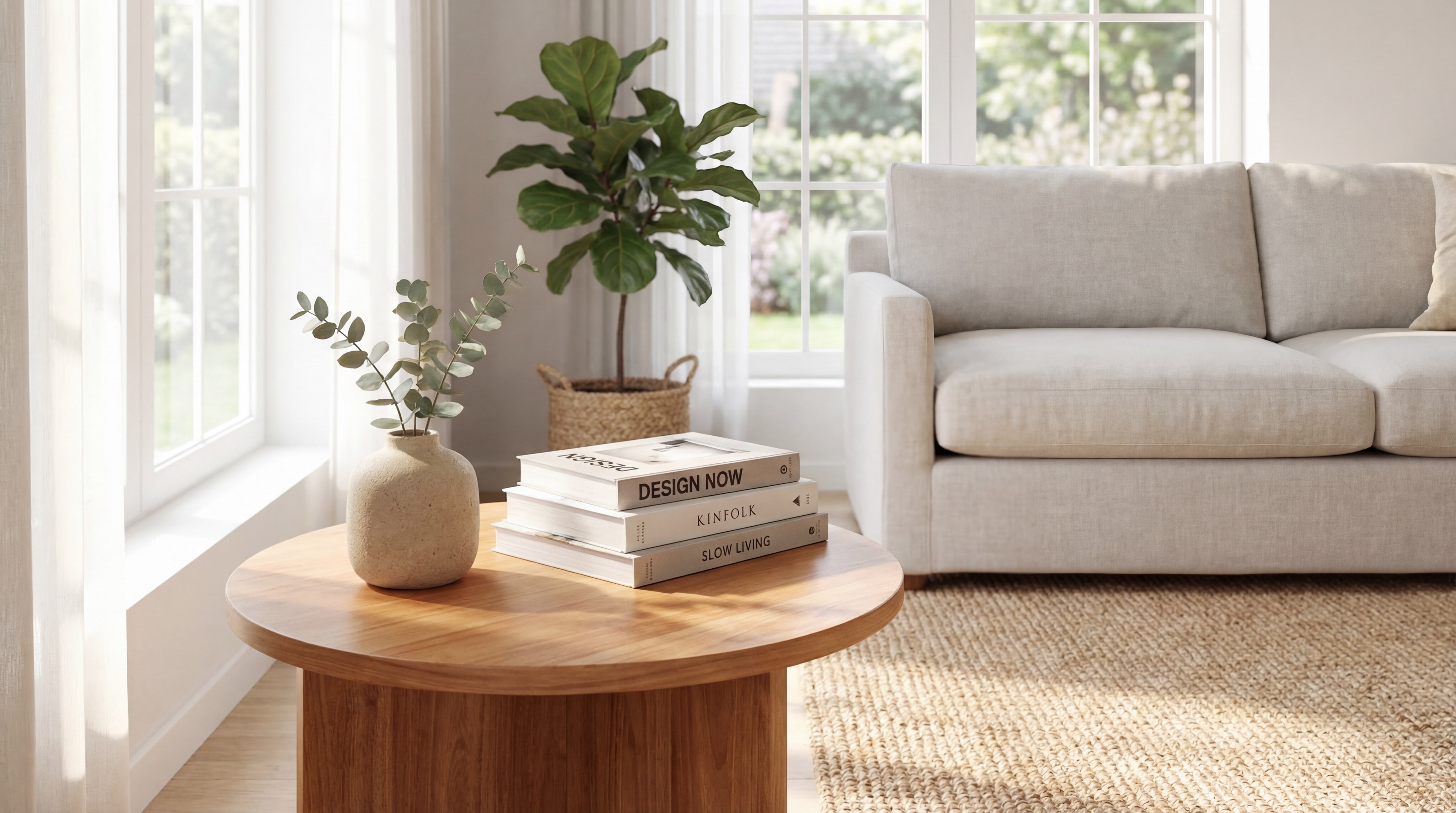
Accent furniture acts as the finishing touch that bridges the gap between major pieces like sofas and dining sets. Understanding what is a side table helps you coordinate different textures and shapes to create a cohesive look. You can use these pieces to introduce warm wood tones or modern silhouettes into a flat space.
Enhancing Room Aesthetics with Accent Furniture
Visual variety is essential for a professional interior design look. A well-placed table adds a layer of sophistication that makes a house feel like a curated home.
- Introduces new materials like rubberwood.
- Breaks up large blocks of upholstery.
- Creates a sense of completion.
Balancing Functionality and Visual Appeal
You should never have to choose between a beautiful room and a usable one. Accent tables provide the perfect surface for your daily essentials without cluttering the main coffee table.
- Holds beverages and snacks securely.
- Provides a base for task lighting.
- Organizes small living room accessories.
Key Takeaway: Accent furniture like side tables provides the dual benefit of aesthetic layering and practical surface utility.
| Benefit | Aesthetic Role | Functional Role |
|---|---|---|
| Style | Adds texture and shape | Prevents floor clutter |
| Lighting | Supports decorative lamps | Illuminates reading nooks |
| Organization | Defines seating zones | Holds daily essentials |
Analysis: Understanding these roles ensures your room remains both stylish and highly organized for daily activities.
How does placement define where these tables belong?
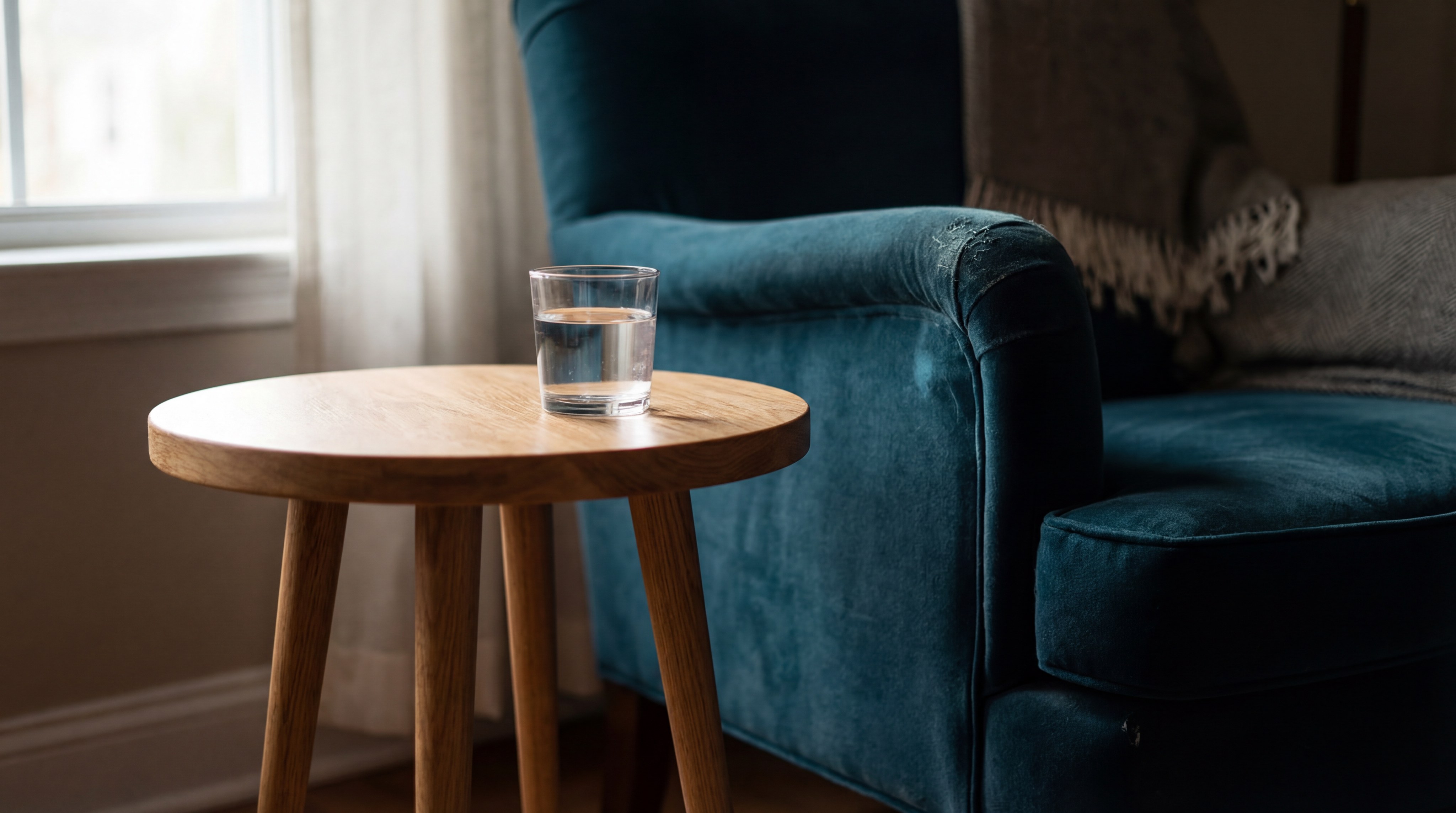
Placement is the defining factor that determines whether a piece is classified as an end or side table. When exploring what is a side table, you will notice they often stand freely next to an armchair or in an open corner. This flexibility allows you to move the piece around to suit your changing needs or guests.
Common Positions Beside Armchairs and Sofas
The most common spot for a side table is within easy arm’s reach of your favorite chair. It should be positioned so you don’t have to lean forward or stretch to set down a glass.
- Placed slightly to the side.
- Standalone focal point.
- Accessible for seated guests.
Is Placement the Biggest Difference?
Designers often argue that placement is indeed the most significant variance. While an end table is “anchored” to a larger piece, a side table enjoys more independence.
- End tables are usually paired.
- Side tables can be singular.
- Placement dictates the table’s scale.
Key Takeaway: If the table stands independently near seating, it is a side table; if it is tucked against an armrest, it is an end table.
| Placement Type | Best For | Typical Companion |
|---|---|---|
| Integrated | Small apartments | Sofa or bed ends |
| Independent | Large living rooms | Single armchairs |
| Corner | Dead space | Tall floor plants |
Analysis: Strategic placement maximizes the utility of the table while ensuring it doesn’t obstruct foot traffic.
What are the differences in size and scale?
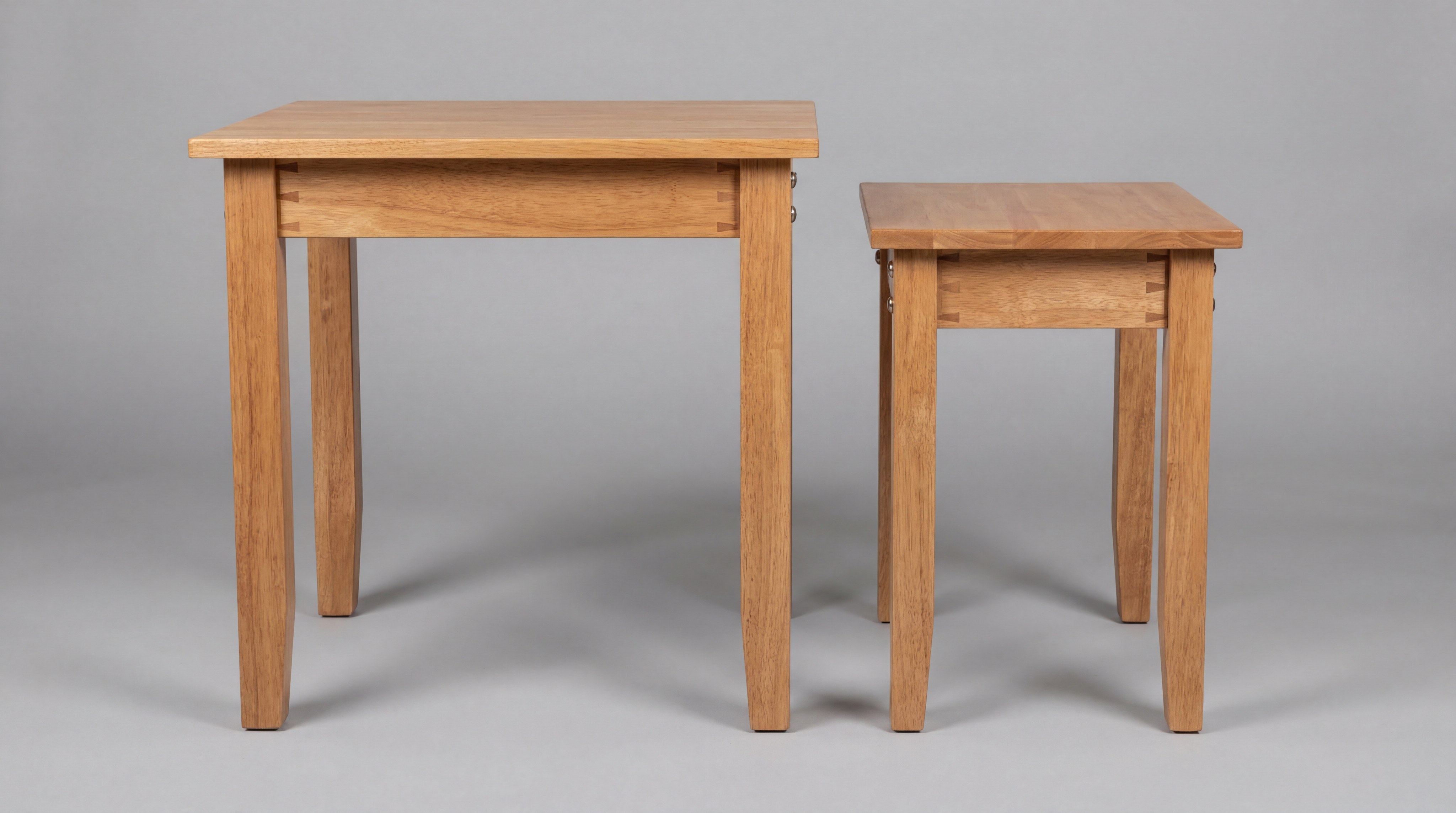
Size and scale are crucial when determining what is a side table versus a smaller end table. Side tables generally feature wider tops ranging from 18 to 26 inches, whereas end tables are narrower to fit beside armrests. You must ensure the scale of your tables matches the bulk of your seating to maintain visual balance.
Standard Dimensions for Side and End Tables
Standard heights for these pieces usually vary between 22 and 30 inches. You should measure your sofa’s arm height before making a purchase to avoid an awkward mismatch.
- End tables: 12-18 inch diameter.
- Side tables: 18-26 inch diameter.
- Heights match the seating arm.
Choosing the Right Height for Your Seating
The golden rule is that your table should be within two inches of the sofa arm’s height. If the table is too low, it becomes difficult to use; if too high, it looks out of place.
- Comfort is the priority.
- Matches the line of sight.
- Facilitates easy movement.
Key Takeaway: Side tables are typically larger in diameter and height, making them more prominent compared to the compact end table.
| Measurement | End Table | Side Table |
|---|---|---|
| Width/Dia | 12″ – 18″ | 18″ – 26″ |
| Typical Height | 20″ – 24″ | 22″ – 30″ |
| Visual Weight | Light/Slim | Sturdy/Substantial |
Analysis: Choosing the correct scale prevents your furniture from looking either overwhelmed or undersized for the space.
Do side tables offer more surface area than end tables?
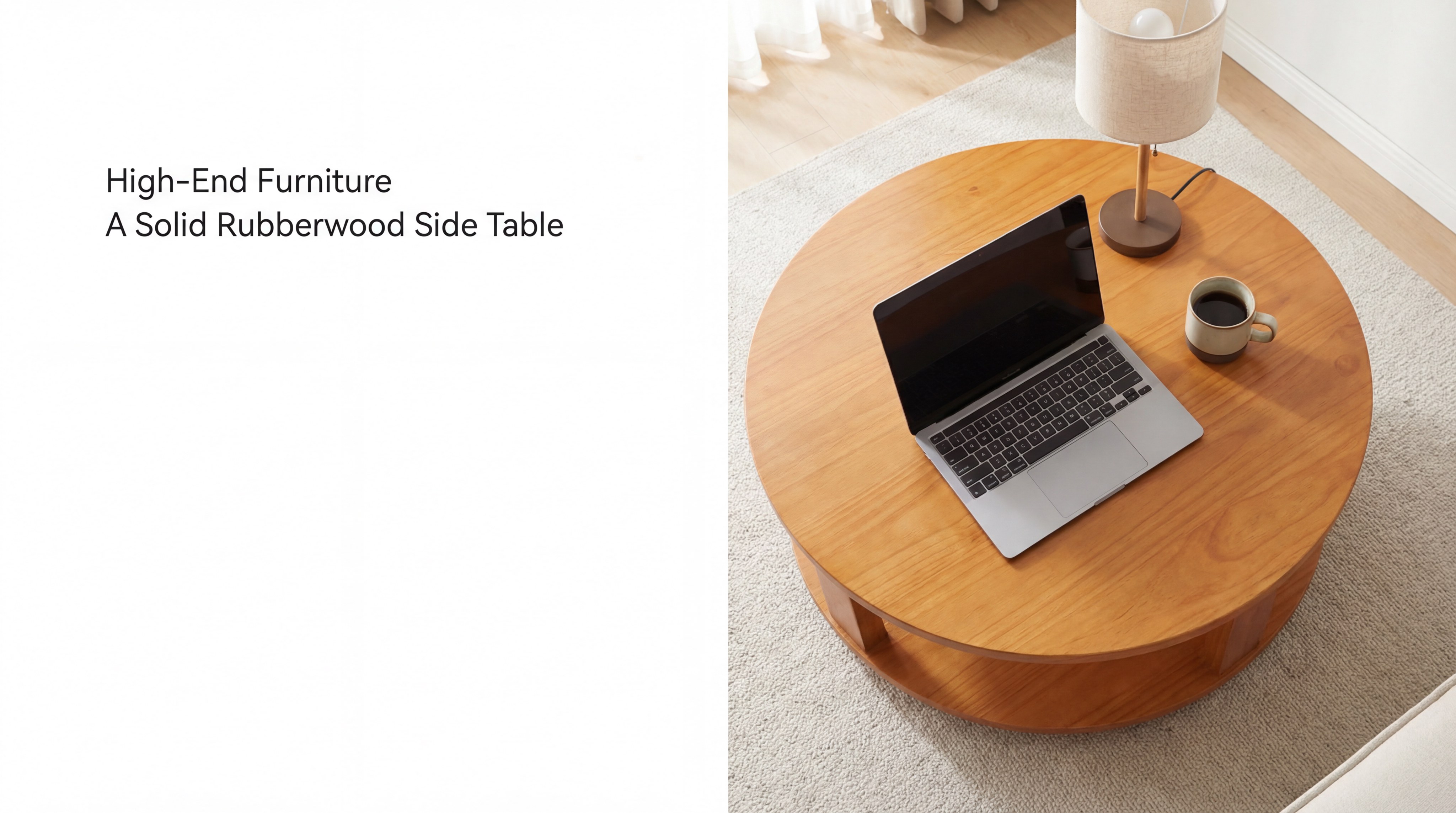
Side tables almost always offer a more generous surface area for your belongings. When you define what is a side table, you are looking at a piece capable of holding a laptop, a lamp, and a drink simultaneously. This makes them a superior choice for those who need a functional workspace near their sofa.
Understanding Surface Diameter and Squareness
Shape plays a large role in how much usable space you actually get. Round side tables offer a soft look, while square ones maximize every inch of the corner they occupy.
- Round tables prevent bumps.
- Square tables fit flush.
- Diameter affects lamp placement.
Why Side Tables Often Feature Larger Tops
Because side tables are not restricted by the depth of a sofa arm, they can expand horizontally. This extra room allows for more decorative freedom and practical storage solutions.
- Room for multiple guests.
- Accommodates larger decor.
- Ideal for home office needs.
Key Takeaway: Side tables provide a larger, more versatile surface area, making them ideal for heavy-use zones in your home.
| Shape | Space Efficiency | Best Usage |
|---|---|---|
| Round | High flow areas | Softening sharp rooms |
| Square | Maximum surface | Corner positioning |
| Petal/Unique | Decorative focus | Modern accenting |
Analysis: Increased surface area allows you to transition the table from a simple drink holder to a functional workstation.
Is there a functional difference in daily usage?
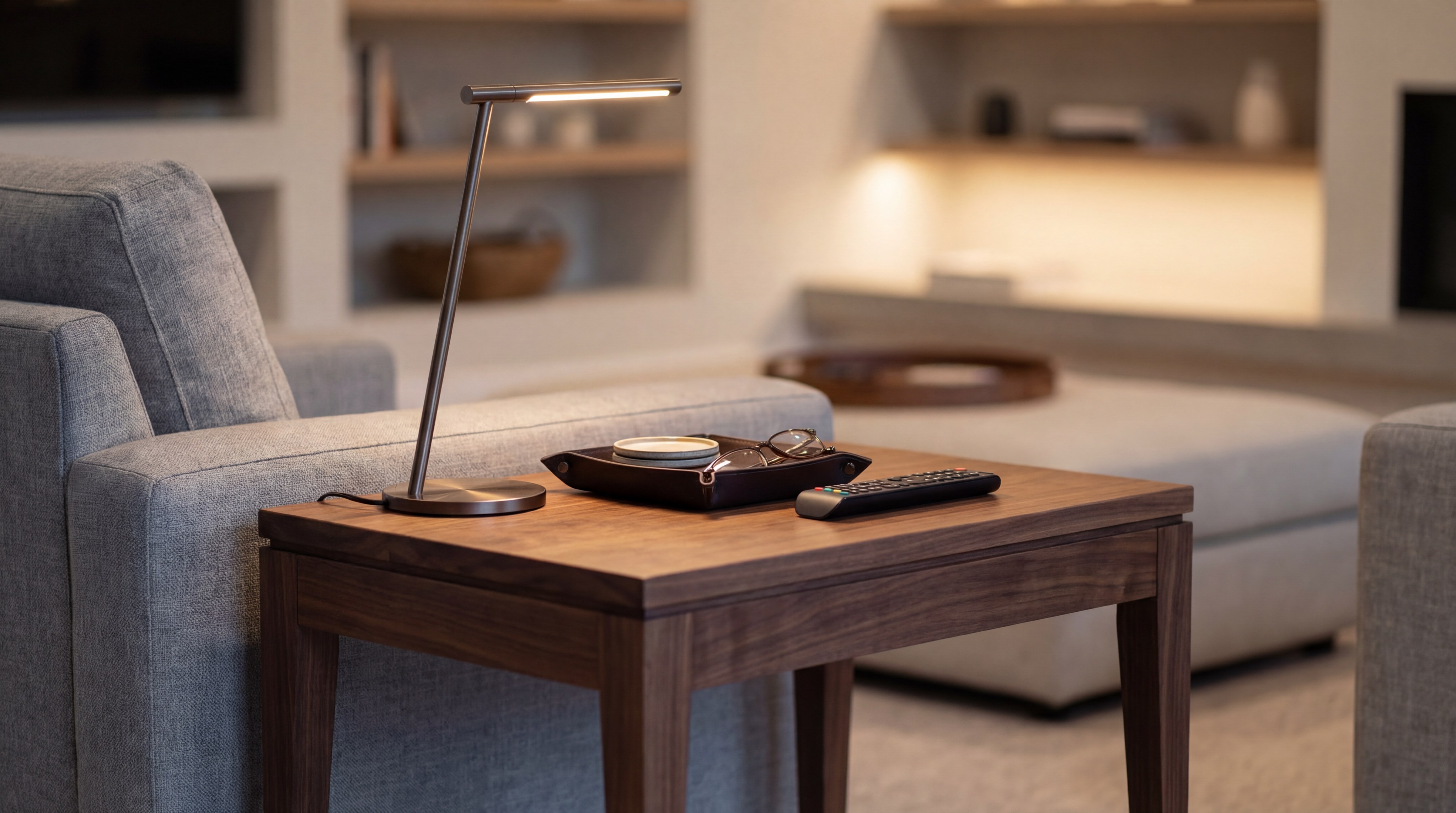
The functional differences become apparent when you consider the daily essentials you need nearby. Learning what is a side table reveals its role as a primary landing strip for everything from tablets to decorative trays. End tables, by contrast, are often relegated to holding a single remote or a small glass of water.
Primary Uses for Daily Essentials and Lamps
Lighting is a major factor in how you use these tables. A side table has the girth to support a designer table lamp without it feeling precarious or crowded.
- Provides stable lamp support.
- Holds organizers for remotes.
- Keeps books within reach.
Decorative vs. Functional Intentions
You might choose an end table purely for its function of filling a gap. A side table, however, is often a conscious design choice meant to draw the eye and display art.
- Showcases small sculptures.
- Holds seasonal floral vases.
- Acts as a style anchor.
Key Takeaway: Side tables lean toward a mix of high-impact decoration and utility, whereas end tables are mostly utilitarian.
| Use Case | End Table | Side Table |
|---|---|---|
| Primary Lighting | Small clip-ons | Large table lamps |
| Storage | Very limited | Trays and organizers |
| Guest Use | Occasional drink | Primary snack surface |
Analysis: Assessing your lifestyle needs helps you determine if a small end table or a robust side table is required.
What are the best alternatives to traditional tables?
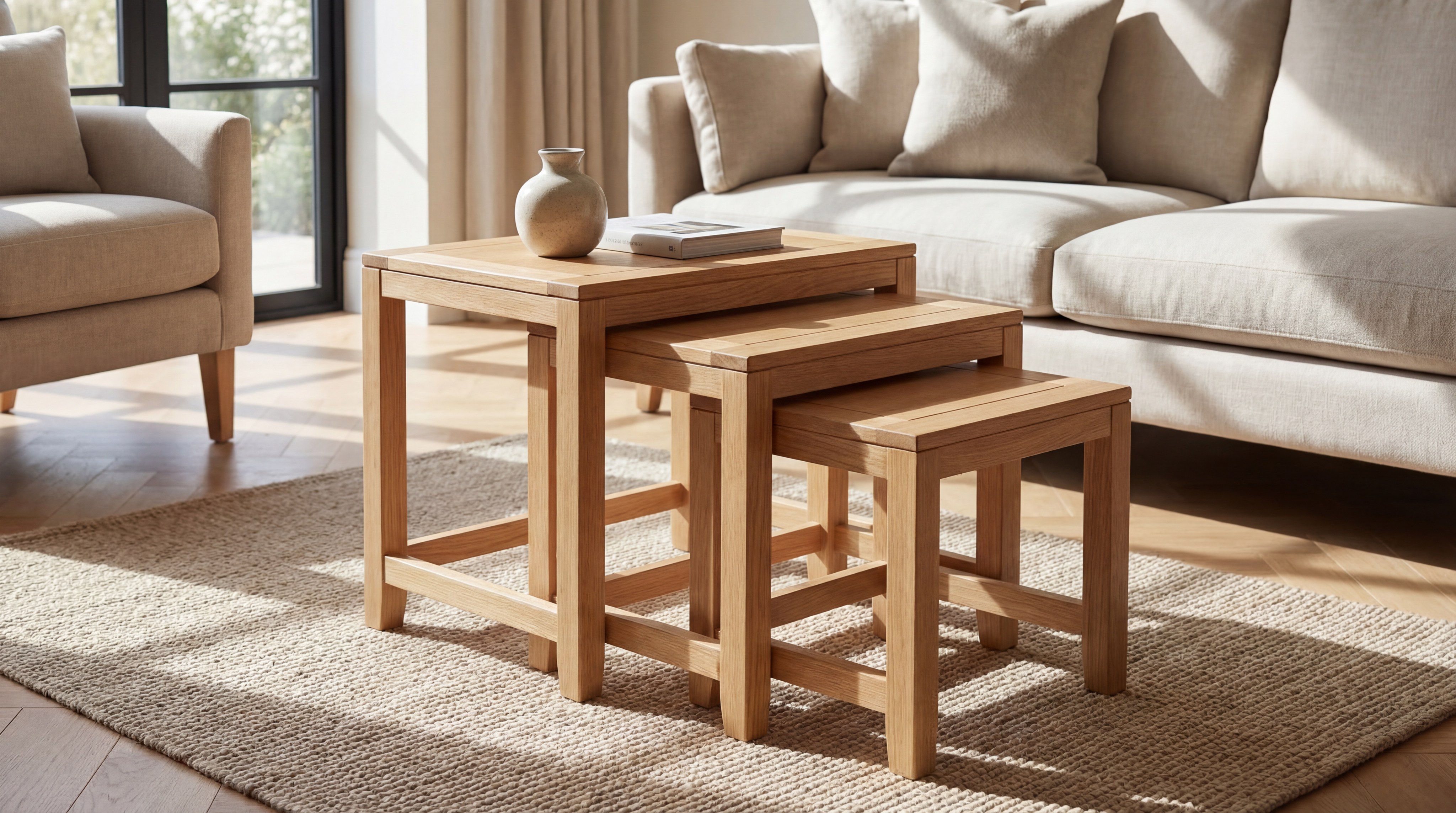
Sometimes a standard four-legged table isn’t the right fit for your unique floor plan. When you ask what is a side table alternative, you’ll find clever designs like C-tables and nesting sets. These options provide the same utility while solving specific problems like limited floor space or the need for portability.
Space-Saving Benefits of C-Shaped Bases
C-tables are a revolution for small apartment living. Their unique base allows them to slide under your sofa, bringing the surface directly over your lap for maximum convenience.
- Ideal for laptop work.
- Zero footprint on the floor.
- Perfect for narrow walkways.
Versatility of Portable Tray and Nesting Tables
Nesting tables offer “hidden” surface area that you can pull out when guests arrive. You can stack them away when they aren’t needed to keep your room looking clean and open.
- Modular and adaptable.
- Easy to move between rooms.
- Provides tiered styling options.
Key Takeaway: Alternatives like C-tables and nesting sets provide flexible, space-saving solutions without sacrificing the benefits of a side table.
| Alternative | Best Problem Solved | Key Feature |
|---|---|---|
| C-Table | No floor space | Slides under seating |
| Nesting | Occasional guests | Stacks for storage |
| Tray Table | Serving snacks | Removable top |
Analysis: Choosing an alternative allows you to customize your living room’s functionality based on your specific square footage.
How do you style tables using the professional rule of 3?
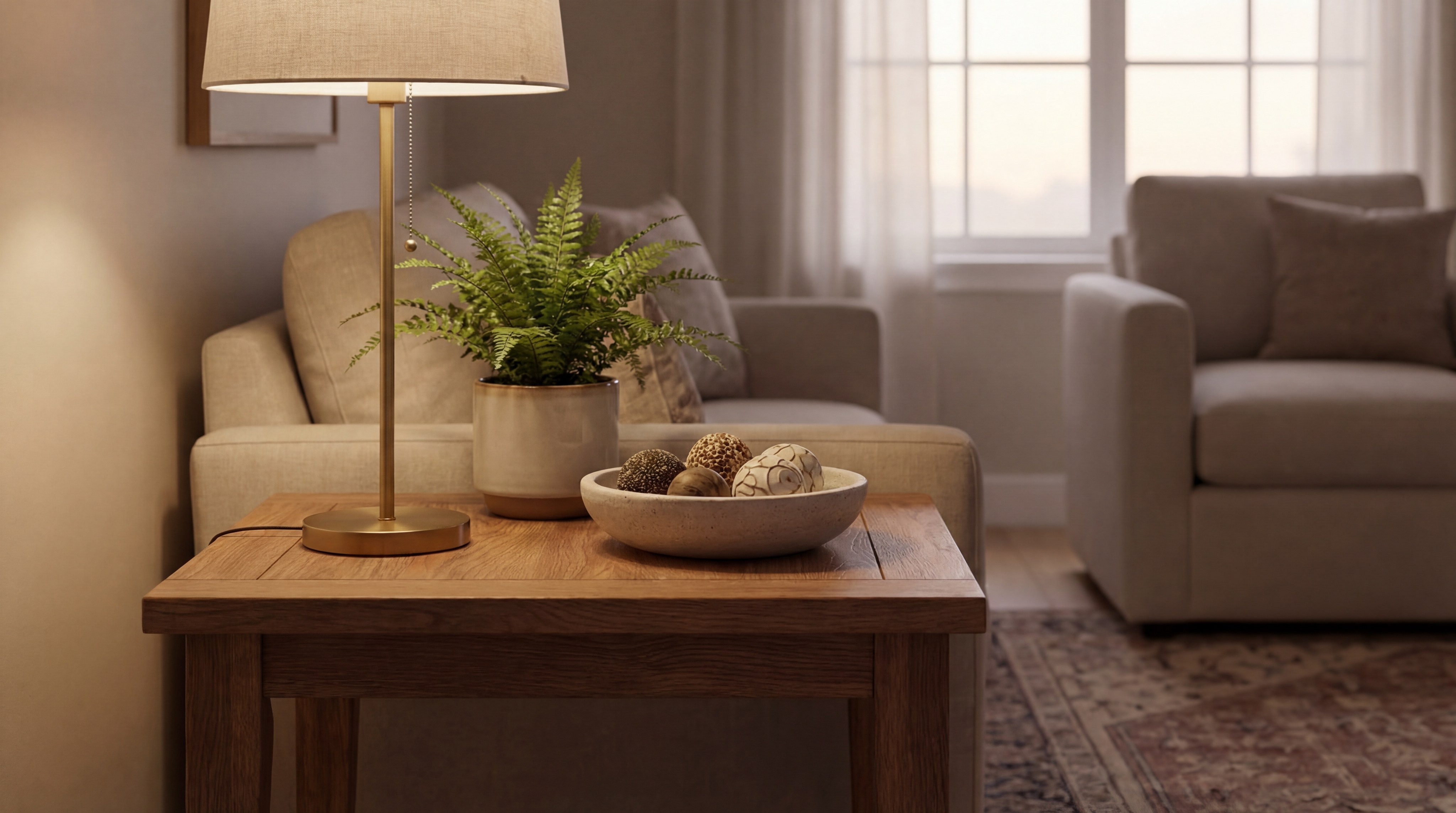
Styling your table is just as important as choosing the right one for your decor. By understanding what is a side table in the context of design, you can apply the “rule of three” to create a balanced, magazine-ready look. This professional technique ensures your table looks intentional rather than cluttered with random household items.
Selecting Tall, Medium, and Low Objects
The rule of three relies on varying heights to keep the eye moving. You should select items that contrast in shape and size to create a dynamic visual arrangement.
- Tall: A slender table lamp.
- Medium: A green potted plant.
- Low: A decorative bowl or book.
Balancing Decorative Items for Visual Interest
Don’t just place items randomly; consider the “weight” of each piece. You want to create a cluster that feels cohesive through shared colors or complementary materials.
- Group items in a triangle.
- Mix textures like wood and glass.
- Leave some “white space” on top.
Key Takeaway: Using the rule of three with objects of varying heights creates a professionally styled look on any side table surface.
| Object Category | Example Item | Design Impact |
|---|---|---|
| Tall | Table Lamp | Verticality & light |
| Medium | Small Plant | Life and texture |
| Low | Coasters/Books | Foundation & color |
Analysis: Mastering the rule of three transforms a simple table into a curated display that enhances the entire room’s vibe.
Can these tables serve as nightstands in the bedroom?
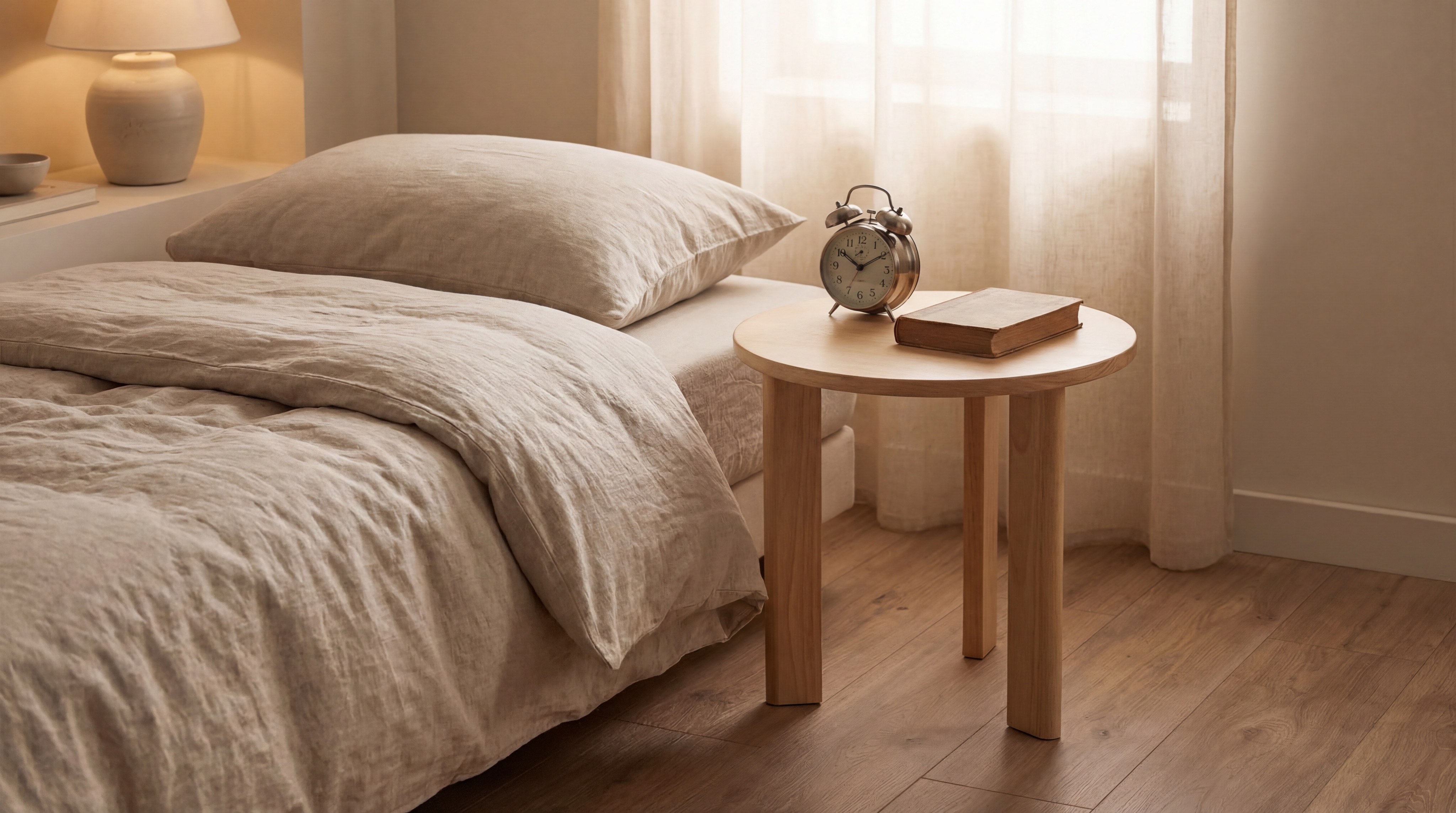
Many homeowners find that a standard nightstand is too bulky for a modern, minimalist bedroom. When you consider what is a side table as a bedside option, you gain a sleek, budget-friendly alternative. These pieces are particularly effective in guest rooms or small apartments where every inch of floor space counts.
Budget-Friendly Solutions for Small Bedrooms
Side tables are often more affordable than specialized bedroom furniture. You can achieve a high-end look without the heavy price tag of a traditional multi-drawer nightstand.
- Lightweight and easy to move.
- Minimalist aesthetic appeal.
- Fits into tight bedside gaps.
Transitioning Living Room Furniture to the Bedside
If you already own a beautiful solid wood table, don’t be afraid to move it to the bedroom. This flexibility is a hallmark of about us—creating furniture that evolves with your lifestyle and changing home needs.
- Holds alarms and books easily.
- Provides a clean, airy look.
- Sustainable reuse of furniture.
Key Takeaway: Side tables make excellent, space-saving nightstands for those who prefer a minimalist or budget-conscious bedroom design.
| Comparison | Nightstand | Side Table (as Nightstand) |
|---|---|---|
| Storage | Drawers included | Open/No drawers |
| Visual Weight | Heavy/Blocky | Light/Minimalist |
| Mobility | Difficult to move | Very easy to move |
Analysis: Using a side table in the bedroom simplifies your space while maintaining all the necessary functionality for your sleep routine.
Why is solid rubberwood the best material choice?
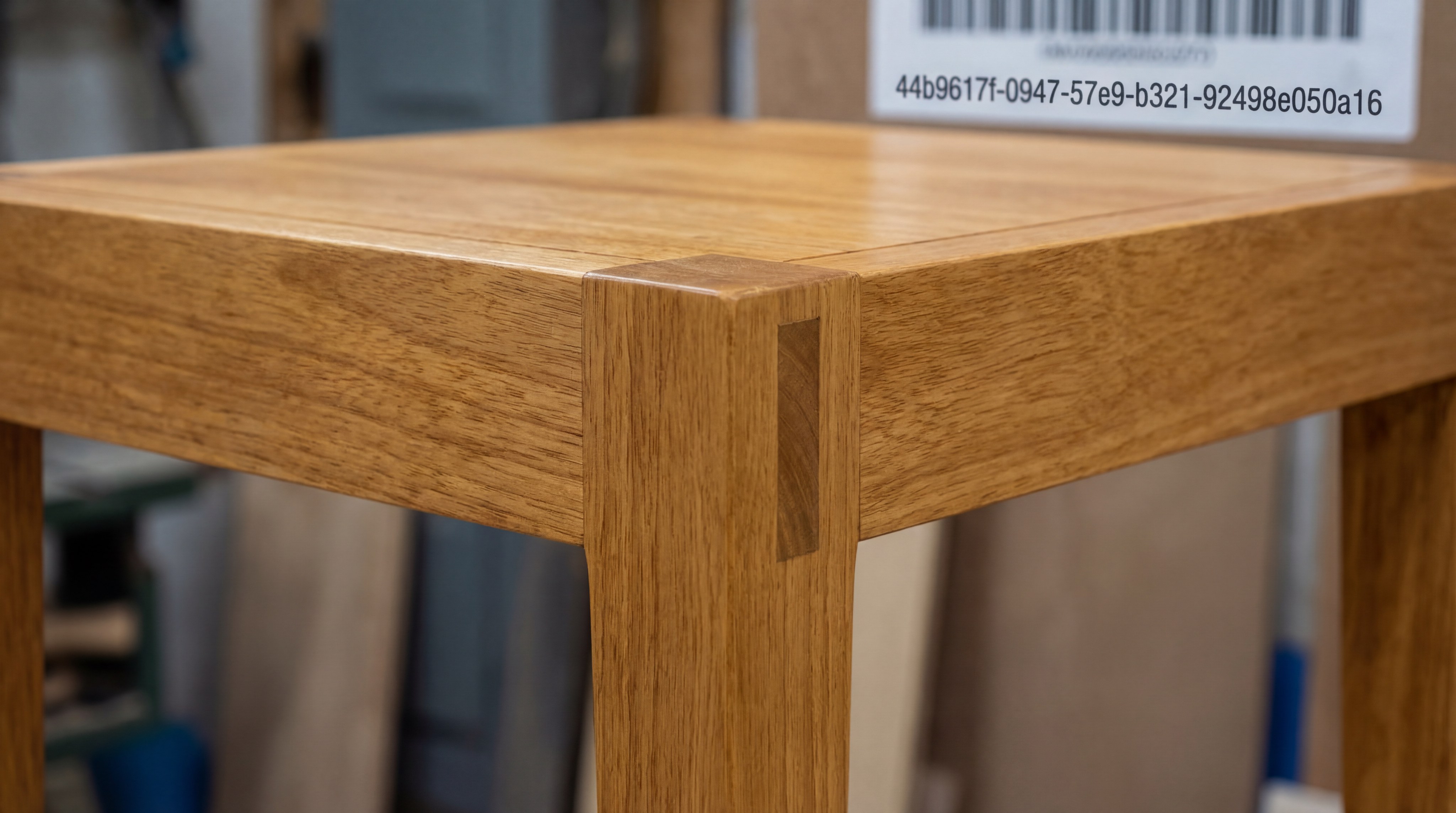
Material choice is the final hurdle in your buying journey, and solid rubberwood stands out for its incredible durability. When you look at what is a side table made of this hardwood, you are seeing a piece that resists warping and daily wear. This sustainable material ensures your investment lasts for years while maintaining its natural, warm beauty.
The Benefits of Kiln-Dried Solid Hardwood
Kiln-drying is a vital process that stabilizes the wood by removing excess moisture. This prevents the table from cracking or shrinking when the seasons change in your home.
- Superior structural integrity.
- Resists moisture damage.
- Smooth, professional finish.
Sustainable Craftsmanship and Long-Term Value
Rubberwood is an eco-friendly choice because it uses timber from trees that have already finished their latex-producing cycle. You are choosing a material that supports environmental health without compromising on quality.
- Eco-friendly sourcing.
- High density for strength.
- Beautiful, uniform grain.
Key Takeaway: Solid rubberwood offers the perfect balance of environmental sustainability, extreme durability, and timeless aesthetic value for any home.
| Wood Property | Rubberwood Benefit | Long-Term Result |
|---|---|---|
| Hardness | Dense hardwood grain | Resists dents and scratches |
| Stability | Kiln-dried process | No warping or cracking |
| Sustainability | Repurposed timber | Low environmental impact |
Analysis: Investing in high-quality rubberwood ensures that your side table remains a beautiful part of your home for decades to come.
Frequently Asked Questions
Can I use a side table as a coffee table?
Yes, you can use a large side table as a coffee table in very small rooms, or even pair two matching side tables together for a modular look. This is a great way to save space in compact apartments.
Can I mix and match an end table and a side table?
Absolutely, mixing different styles and sizes can add character to your room as long as they share a common element like wood tone or leg style. It creates a more “collected” and less “catalog” feel.
Can I put a heavy table lamp on a small end table?
You should be careful with weight; if the lamp’s base is wider than the table top, it becomes a tipping hazard. Always ensure the lamp is proportional to the table’s surface area for safety.
Can I clean my rubberwood table with standard polish?
Yes, you can use most high-quality wood polishes, but a simple damp cloth with mild soap is usually best for solid rubberwood. Avoid harsh chemicals that could strip the water-curtain spray coating.
Can I use these tables in an outdoor setting?
No, unless they are specifically treated for outdoor use, solid wood tables should stay indoors to avoid sun bleaching and water damage. Keeping them inside ensures their longevity and finish remain pristine.
Practical Guidance for Your Home
Choosing the right accent table doesn’t have to be a source of stress. By distinguishing between the tucked-away end table and the prominent side table, you can create a living space that is both beautiful and perfectly tailored to your lifestyle. Whether you need a sturdy rubberwood surface for your evening tea or a stylish nightstand for your bedroom, selecting the right piece ensures your home remains a sanctuary of comfort.
At our core, we believe that high-quality, sustainable furniture should be accessible to everyone who values craftsmanship. Our mission is to provide global homes with space-saving, durable solid wood solutions that stand the test of time. If you have any further questions about our collections or need specific styling advice, please feel free to contact us. We look forward to helping you solve your furniture challenges and bringing your vision of a modern, organized home to life.